

Data Science in Healthcare Decision-Making: A Case Study of IBM Watson Health
1 Introduction
1.1 Background and Rationale
Healthcare has long been one of the most data-intensive and knowledge-driven industries. From patient medical records and diagnostic imaging to genomic sequencing and epidemiological data, healthcare organizations generate vast amounts of information daily. According to a 2020 report by IDC, healthcare data was growing at a compound annual growth rate of nearly 36%, faster than most other sectors. This explosion of data brings both challenges and opportunities. While traditional healthcare systems often struggle to manage and extract insights from such complex data streams, the advent of data science and artificial intelligence (AI) has created new avenues for transforming raw information into actionable clinical knowledge.
Data science is the integration of statistics, machine learning, natural language processing (NLP), and big data analytics has positioned itself as a powerful enabler for healthcare decision-making. Predictive analytics can identify at-risk patient groups, machine learning algorithms can assist in diagnostics, and natural language models can mine unstructured clinical notes to provide physicians with decision support.
Against this backdrop, IBM Watson Health emerged in 2015 as one of the most ambitious attempts to revolutionize medical practice with AI. Built upon the success of IBM’s Watson supercomputer, which famously defeated human champions in the game show Jeopardy! in 2011, Watson Health was marketed as a pioneering cognitive computing system capable of interpreting vast bodies of medical literature, synthesizing clinical evidence, and offering personalized treatment recommendations. IBM promised that Watson would augment, rather than replace, physicians by accelerating decision-making and reducing medical errors.However, the story of Watson Health is both aspirational and cautionary. While the platform made early headlines for partnerships with leading hospitals, cancer centers, and pharmaceutical companies, adoption proved uneven, and outcomes fell short of expectations. Critics argued that the system was overhyped, plagued by technical and integration challenges, and ultimately misaligned with clinical realities. In 2022, IBM announced the sale of Watson Health’s assets to private equity firm Francisco Partners, signaling a major retreat from its once-grand vision.
This case study focuses on IBM Watson Health not merely as a technological venture but as a lens through which to explore the promises and pitfalls of data science in healthcare decision-making. It examines the technical applications (e.g., NLP for oncology, predictive models for radiology), organizational challenges, ethical debates, and lessons for future digital health initiatives. By situating Watson Health within the broader landscape of healthcare analytics, the dissertation contributes to the understanding of how data science tools can shape, and sometimes fail to shape, clinical practice and business outcomes.

1.2 Problem Statement
The central problem this dissertation addresses is the gap between data science’s potential in healthcare and its actual impact on decision-making.
Despite major investments, IBM Watson Health struggled to deliver on its promise of transforming clinical workflows and improving patient outcomes. This paradox reflects broader systemic issues:
- Technical limitations → NLP models often misinterpreted medical terminology or lacked contextual understanding of rare conditions.
- Integration challenges → Hospitals struggled to incorporate Watson into existing electronic health record (EHR) systems.
- Trust deficit → Many physicians doubted AI-generated recommendations, preferring traditional evidence-based protocols.
- Business misalignment → Revenue models for Watson Health did not align with the financial constraints of many healthcare providers.
This case highlights: engagement with data science technologies does not always translate into adoption, improved outcomes, or sustainable revenue.
1.3 Research Aim, Objectives, and Questions
Aim: To critically examine the role of data science in healthcare decision-making through the case study of IBM Watson Health, with particular focus on its applications, challenges, and strategic lessons.
Objectives:
- To analyze how IBM Watson Health applied data science techniques (e.g., NLP, predictive analytics, machine learning) in healthcare contexts.
- To evaluate the impact of Watson Health on clinical decision-making, adoption by physicians, and healthcare outcomes.
- To identify the organizational, ethical, and cultural challenges that shaped the trajectory of Watson Health.
- To generate strategic recommendations for future healthcare organizations adopting data science and AI technologies.
Research Questions:
- How did IBM Watson Health utilize data science to support healthcare decision-making?
- What were the measurable outcomes (clinical, financial, organizational) of Watson Health’s deployment?
- Why did Watson Health face significant adoption challenges despite strong initial engagement?
- What lessons can be drawn for future data science applications in healthcare?
1.4 Scope and Significance of the Study
The scope of this study is focused on IBM Watson Health’s trajectory from 2011 to 2022, though its legacy will also be considered in light of ongoing AI developments in healthcare (2023–2025). While Watson Health encompassed multiple product lines—oncology, imaging, drug discovery, population health—this dissertation will primarily focus on its most prominent applications: oncology and clinical decision support.
The significance of this research lies in three dimensions:
- Academic contribution → The case study deepens understanding of how data science is applied in high-stakes industries and enriches the theoretical literature on technology adoption in healthcare.
- Managerial contribution → Healthcare leaders can draw lessons about strategic alignment, trust-building, and realistic expectation-setting when implementing AI solutions.
- Policy contribution → Regulators and policymakers can use these insights to frame guidelines for responsible AI adoption, emphasizing explainability, ethics, and accountability.
1.5 The Rise of Data Science in Healthcare
Before examining Watson Health, it is essential to situate the initiative within the broader wave of healthcare analytics. Data science applications in medicine include:
- Predictive analytics: Identifying patients at risk of readmission (using logistic regression, random forest, or gradient boosting models).
- Diagnostic imaging: Using convolutional neural networks (CNNs) in Python/TensorFlow to detect tumors or fractures in radiology scans.
- Natural language processing (NLP): Extracting information from unstructured clinical notes or scientific literature.
- Drug discovery: Applying machine learning to accelerate compound screening and optimize clinical trial design.
- Population health management: Leveraging big data to monitor public health trends (e.g., during COVID-19).
These applications highlight the transformative potential of data science. Yet, healthcare also presents unique barriers: privacy regulations (HIPAA, GDPR), resistance from medical professionals, and the ethical complexity of life-or-death decision-making.Watson Health, therefore, can be seen as both a pioneer and a cautionary tale of what happens when technological optimism collides with clinical realities.
1.OVERVIEW
1.6 IBM Watson Health: A Brief Overview
The story of IBM Watson Health is emblematic of the intersection between technological ambition, commercial strategy, and the complexities of modern healthcare. To fully understand the role Watson Health plays as a case study in data science–driven decision-making, it is necessary to trace its origins, growth, challenges, and eventual retrenchment.
1.6.1 Origins of Watson (2011–2014): Watson’s origins lie in IBM’s long tradition of natural language processing (NLP) and machine learning research. The project first captured global attention in 2011 when Watson competed on the American game show Jeopardy!, defeating two of the show’s most successful human champions. This feat demonstrated Watson’s ability to process large amounts of unstructured data, interpret natural language queries, and provide evidence-backed answers within seconds.For IBM, this was more than just a publicity stunt — it was proof of concept that cognitive computing could revolutionize knowledge-intensive industries. Healthcare emerged as a natural frontier. Physicians constantly confront overwhelming volumes of scientific literature, rapidly evolving treatment protocols, and complex patient histories. Watson’s ability to synthesize information and provide decision support seemed ideally suited to this environment.
Between 2011 and 2014, IBM piloted small-scale applications of Watson in healthcare, particularly in oncology, where treatment complexity and reliance on the latest clinical trials were major pain points. Collaborations with institutions such as Memorial Sloan Kettering Cancer Center and MD Anderson Cancer Center began shaping Watson for Oncology — an early prototype of AI-driven clinical decision support.
1.6.2 Formation and Expansion of Watson Health (2015–2017): In April 2015, IBM officially launched IBM Watson Health as a dedicated business unit. The timing was strategic. Healthcare data was growing exponentially, electronic health record (EHR) adoption had surged due to U.S. policy reforms (e.g., HITECH Act), and providers were under pressure to improve outcomes while reducing costs.
IBM poured billions of dollars into Watson Health, pursuing an acquisition-driven growth strategy:
- Phytel and Explorys (2015) → Expanded Watson’s capabilities into population health management and big data analytics. Explorys brought a database of over 50 million patient records.
- Merge Healthcare (2015) → Added medical imaging and radiology analytics, giving Watson access to a vast library of diagnostic scans.
- Truven Health Analytics (2016) → One of the largest acquisitions ($2.6 billion), giving Watson access to clinical and financial data covering 200 million patients.
These acquisitions positioned Watson Health not just as an oncology decision support tool but as a comprehensive healthcare data ecosystem. IBM envisioned Watson as a platform that could serve hospitals, payers, pharmaceutical companies, and research institutions alike.
The flagship offering, Watson for Oncology, was marketed as capable of reading millions of medical journal articles, clinical guidelines, and patient records, and then recommending personalized treatment plans. Hospitals in the U.S., India, China, and South Korea signed on to pilot the system.
1.6.3 Peak Optimism and Market Positioning (2016–2017): At its peak, IBM Watson Health was heralded as a game-changer for precision medicine. Media outlets, investors, and healthcare leaders saw it as an early realization of “AI in medicine.” By 2017, IBM reported partnerships with over 50 hospitals globally, including high-profile ones such as Cleveland Clinic and Mayo Clinic.Watson Health also moved aggressively into pharmaceutical applications:
- Partnered with Pfizer to accelerate oncology drug discovery.
- Worked with Novartis and Sanofi to optimize clinical trial design and recruitment.
- Expanded into life sciences by helping companies mine genomic data for drug targets.
IBM positioned Watson Health as both a clinical assistant (supporting physicians with real-time insights) and a strategic tool (helping pharmaceutical companies reduce R&D costs).
1.6.4 Challenges and Criticism (2017–2020): Despite its promise, Watson Health soon encountered mounting criticism. The first signs of trouble emerged when hospitals reported mismatches between Watson’s recommendations and clinical best practices.
- A 2017 investigation by STAT News revealed that Watson for Oncology sometimes suggested treatments that oncologists deemed unsafe or irrelevant.
- Physicians reported that Watson’s recommendations were often based on limited datasets and lacked the nuanced reasoning expected in real clinical contexts.
- Integration into EHRs proved difficult, as Watson required data in specific formats, whereas hospital IT environments were fragmented and heterogeneous.
Financially, IBM struggled to generate sustainable revenue from Watson Health. Many healthcare providers balked at the high costs of implementation (often millions of dollars) and were unconvinced that Watson would deliver sufficient return on investment.Culturally, there was resistance among clinicians who felt that Watson was being marketed as a replacement rather than an augmentation of their expertise. This trust deficit hindered adoption even in institutions that had signed partnerships.By 2019, reports suggested that Watson Health was significantly underperforming against IBM’s revenue targets. IBM continued to defend Watson’s potential but acknowledged “growing pains.”
1.6.5 Retrenchment and Sale (2021–2022): The COVID-19 pandemic accelerated digital health adoption globally, but paradoxically, it also exposed the limitations of Watson Health. Competitors such as Google DeepMind and Microsoft HealthCare AI gained traction with more targeted, modular solutions.In 2021, rumors emerged that IBM was considering divesting Watson Health. By January 2022, IBM announced that it would sell Watson Health’s assets to Francisco Partners, a private equity firm. The deal reportedly included Watson Health’s data and analytics products, such as Truven, Phytel, Merge, and Explorys, though IBM retained some AI research divisions.This marked a strategic retreat for IBM. The company shifted its focus to hybrid cloud and AI services outside healthcare, signaling that Watson Health had failed to meet its commercial and clinical expectations.
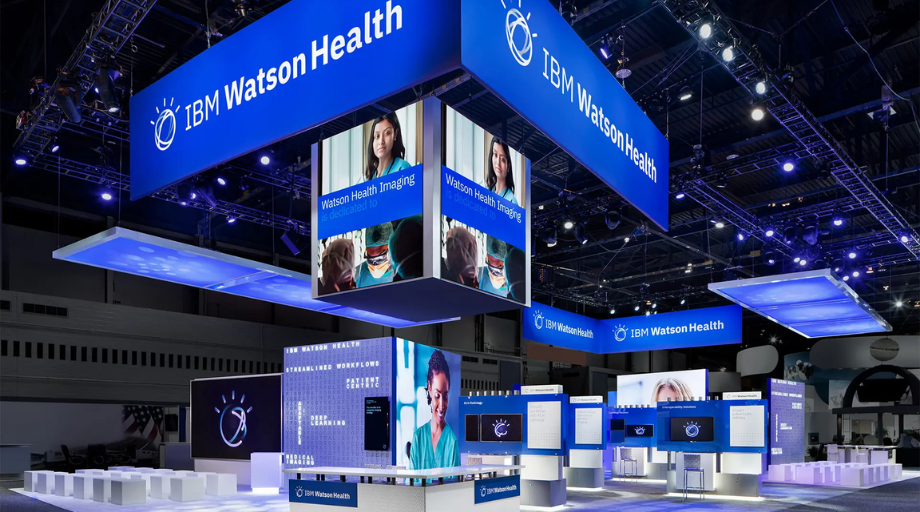
2. LITERATURE REVIEW
The intersection of data science and healthcare has, in recent decades, generated enormous scholarly interest and practical experimentation. Healthcare, unlike many other industries, operates in a high-stakes environment where the consequences of decision-making directly influence human lives. This has created both urgency and caution in the adoption of new technologies. On one hand, the proliferation of electronic health records (EHRs), genomic sequencing, wearable devices, and imaging technologies has produced unprecedented volumes of data. On the other hand, the complexity of clinical reasoning, ethical imperatives, and regulatory frameworks make it difficult to integrate data-driven tools without careful scrutiny.IBM Watson Health emerged against this backdrop, offering to bridge the gap between vast medical knowledge and individual patient care. To critically assess Watson Health’s rise and decline, this chapter will review the literature across four interrelated domains: (a) the rise of data science in healthcare, (b) decision support systems and clinical adoption, (c) the specific promises and pitfalls of AI in medicine, and (d) the theoretical frameworks that contextualize these debates.
2.1 The Rise of Data Science in Healthcare
The 21st century has been characterized by the datafication of healthcare. According to Raghupathi & Raghupathi (2014), healthcare data can be broadly categorized into clinical (EHRs, laboratory results, imaging), administrative (insurance claims, billing), and consumer-generated data (wearables, fitness trackers, mobile health apps). Together, these streams constitute what is often referred to as “big data in healthcare.”
Data science, an interdisciplinary field drawing on computer science, statistics, and domain-specific knowledge, provides tools to extract insights from these complex datasets. Its key methodologies include:
- Predictive analytics – Using regression, random forests, or gradient boosting to identify patients at high risk of readmission or adverse events.
- Machine learning (ML) – Leveraging algorithms such as support vector machines (SVMs), decision trees, or neural networks to detect patterns in patient data.
- Natural Language Processing (NLP) – Mining unstructured clinical notes or medical literature for insights.
- Computer vision – Applying convolutional neural networks (CNNs) to radiology or pathology images for automated detection of anomalies.
- Deep learning and reinforcement learning – Developing models that continuously improve by learning from vast amounts of structured and unstructured data.
Python and R have become the lingua franca of healthcare data science, supported by libraries such as scikit-learn, TensorFlow, PyTorch, pandas, and spaCy. For example, researchers at Stanford University developed a deep learning model using TensorFlow that achieved dermatologist-level accuracy in detecting skin cancer from images (Esteva et al., 2017). Similarly, predictive models in Python have been used to monitor COVID-19 patient deterioration by analyzing vital signs and laboratory results in real time.
These breakthroughs illustrate the transformative potential of data science. However, literature also warns against over-enthusiasm. As pointed out by Obermeyer & Emanuel (2016), healthcare data is not neutral; it reflects biases in clinical practice, underrepresentation of minority groups, and structural inequities. Without careful design, algorithms may perpetuate or even exacerbate disparities in healthcare delivery.
2.2 Clinical Decision Support Systems (CDSS): Evolution and Adoption
The concept of augmenting physicians with computerized decision support is not new. Clinical Decision Support Systems (CDSS) date back to the 1960s with tools like MYCIN, an early expert system designed to recommend antibiotic treatments. While MYCIN demonstrated accuracy comparable to physicians, it was never deployed clinically due to concerns about legal liability and lack of trust.
Modern CDSS are more sophisticated, integrating with EHRs to provide real-time alerts, reminders, or treatment guidelines. Studies (Kawamoto et al., 2005) have shown that CDSS can improve adherence to best practices, reduce medication errors, and enhance efficiency.
Yet, adoption has been inconsistent. The Technology Acceptance Model (TAM) suggests that two factors—perceived usefulness and perceived ease of use—drive technology adoption. In healthcare, these are further influenced by trust in the system, alignment with workflow, and interpretability of outputs. For instance, a CDSS that interrupts physicians with too many alerts may be ignored, leading to “alert fatigue.”
Watson Health entered this landscape with the promise of going beyond rule-based alerts to deliver personalized, evidence-based treatment recommendations. Its NLP-driven system could process vast amounts of medical literature far faster than any human. However, as will be explored later, Watson faced the same adoption challenges that have long plagued CDSS: clinician skepticism, integration difficulties, and lack of contextualization.
2.3 IBM Watson Health in the Literature
Academic and industry sources provide a mixed evaluation of Watson Health.
- Positive perspectives → Some early case studies (Chen & Asch, 2017) praised Watson’s ability to synthesize literature and support physicians in oncology. Hospitals in India and China found value in Watson’s speed, especially where access to oncologists was limited.
- Critical perspectives → Other studies (Ross & Swetlitz, 2017) highlighted significant shortcomings, including reliance on limited training data, misalignment with local clinical guidelines, and lack of transparency in recommendations.
- Business perspectives → Analysts noted that IBM’s acquisition strategy created a fragmented product suite, making integration difficult. Gartner (2019) classified Watson Health as struggling in the “trough of disillusionment” in its AI hype cycle.
The literature converges on one key insight: Watson Health’s challenges were not purely technical but deeply socio-technical—a blend of algorithmic limitations, organizational resistance, and misaligned business models.
2.4 Integrated Insight: Synthesizing Themes into Hypotheses
The review of literature presented in this chapter highlights not only the opportunities presented by data science in healthcare but also the significant challenges involved in translating technical promise into clinical reality. These discussions provide a fertile foundation for developing hypotheses that will guide the case study of IBM Watson Health. Rather than emerging in isolation, these hypotheses are synthesized from recurring themes in academic scholarship, industry reports, and practical case evidence. They allow for a structured exploration of Watson Health’s trajectory, connecting broader theoretical debates with specific experiences.
Hypothesis 1 : Data science applications such as NLP and predictive modeling can enhance clinical decision-making but require careful contextualization.
One of the most consistent findings across the literature is that data science possesses immense potential to improve the quality, accuracy, and timeliness of clinical decisions. Predictive models can flag patients at risk of sepsis before visible deterioration occurs. Natural language processing (NLP) can convert unstructured physician notes into actionable insights, and machine learning can assist radiologists in detecting early-stage tumors that might be missed by the human eye.
However, these benefits do not materialize in isolation; they depend on contextualization. Healthcare data is not abstract but deeply situated—shaped by local practices, patient demographics, and institutional cultures. For instance, a predictive model for heart disease developed on U.S. hospital data may not transfer effectively to rural India, where disease prevalence, diagnostic infrastructure, and lifestyle risk factors differ significantly.
IBM Watson Health’s approach illustrates both the promise and the perils of insufficient contextualization. While Watson for Oncology could parse thousands of clinical trials and journal articles to generate treatment recommendations, early deployments revealed a troubling reliance on U.S.-centric data. In India, where cost and drug availability constrained treatment options, physicians often found Watson’s recommendations impractical. Thus, while the technical foundation of Watson’s NLP and machine learning was sound, its lack of sensitivity to clinical and geographic context limited its usefulness.
H1, therefore, emphasizes the dual nature of data science in healthcare: technically powerful but highly dependent on contextual grounding.
Hypothesis 2 : Adoption of AI in healthcare is constrained less by technical capacity and more by trust, workflow alignment, and interpretability.
A recurring theme in adoption studies, especially within the Technology Acceptance Model (TAM), is that human factors outweigh purely technical ones. Even when AI systems deliver accurate outputs, their clinical adoption falters if physicians cannot integrate them into their decision-making process. Trust becomes the lynchpin here: healthcare professionals must believe that the system is reliable, unbiased, and aligned with patient welfare.
Interpretability is critical to this trust. Black-box deep learning systems, however accurate, struggle to gain traction because they cannot explain why a particular treatment is recommended. Physicians, trained to justify their clinical decisions based on evidence, are understandably reluctant to defer to opaque algorithms.
IBM Watson Health encountered precisely this barrier. While marketed as a system that “reads” medical literature, Watson often provided recommendations without clear reasoning pathways accessible to clinicians. Physicians wanted to know: Why this drug over that one? How was this conclusion reached? Without adequate transparency, skepticism grew.
Workflow alignment posed an additional hurdle. Many hospitals reported that integrating Watson into their electronic health record (EHR) systems was cumbersome, requiring clinicians to duplicate data entry or switch interfaces. Such friction discouraged routine use.
H2 underscores that AI adoption is fundamentally socio-technical. It is not enough for an algorithm to function; it must function in a way that clinicians find trustworthy, interpretable, and seamlessly aligned with their daily practices.
Hypothesis 3: Overhyping AI creates a misalignment between expectations and reality, leading to disillusionment and rejection.
The literature on innovation diffusion warns of the dangers of inflated expectations. Rogers’ Diffusion of Innovations theory highlights the “chasm” that technologies must cross from early adopters to mainstream users. Hype may generate initial attention but risks backlash if the technology underdelivers.
IBM Watson Health provides a textbook case of overhype. When Watson first gained public visibility after winning Jeopardy! in 2011, IBM promoted it as a revolutionary force that would transform medicine. Marketing materials suggested Watson could “read all of the world’s medical literature in seconds” and offer oncologists superhuman diagnostic support. Such framing generated enormous excitement in both medical and business communities.
However, the gap between promise and performance quickly became apparent. Investigations revealed that Watson for Oncology sometimes recommended treatments that contradicted established clinical guidelines, or in some cases, proposed unsafe options. This misalignment eroded confidence not only in Watson itself but in the broader idea of AI-driven medicine.
The phenomenon can be described as part of the “AI hype cycle”—initial enthusiasm followed by disillusionment when expectations are unmet. For Watson Health, the fallout was not merely reputational; it had material consequences, with hospitals scaling back or abandoning contracts.
H3 thus captures a crucial dynamic: the risks of framing AI as a panacea rather than a tool. Overhype creates unrealistic expectations, and when those expectations are not fulfilled, disillusionment can derail adoption.
Hypothesis 4 : Watson Health’s challenges illustrate the socio-technical nature of healthcare innovation, where human factors are as important as algorithms.
The final hypothesis synthesizes the preceding themes into a holistic insight. Healthcare innovation cannot be understood through a purely technological lens. Instead, it must be examined as a socio-technical system, where the interplay between people, processes, and technology determines success or failure.
For Watson Health, the technical components—NLP, machine learning, and cloud-based analytics—were undeniably advanced. Yet, the system faltered because of the human and organizational dimensions:
- Physicians resisted recommendations that conflicted with their judgment.
- Hospitals struggled to integrate Watson into their existing IT ecosystems.
- Patients were wary of machine-driven treatment advice without human validation.
- IBM’s business model, focused on aggressive marketing and acquisitions, often clashed with the slower, more cautious culture of healthcare institutions.
In this sense, Watson’s story is not a failure of algorithms but of mismanaging the socio-technical balance. As socio-technical systems theory suggests, successful innovation requires aligning technical tools with human workflows, cultural norms, and institutional structures.
H4 thus emphasizes that any analysis of Watson Health must move beyond technical evaluation to encompass the organizational, cultural, and ethical factors that ultimately shaped its trajectory.
2.5 Conclusion
This literature review has traced the arc of data science in healthcare, the evolution of clinical decision support, the promises and pitfalls of AI, and the specific debates around IBM Watson Health. It reveals both optimism and caution, showing that while data science holds immense potential, its application in healthcare requires more than algorithms—it requires alignment with clinical, organizational, and ethical realities.
Watson Health is a powerful case because it embodies this paradox. It is both a pioneering attempt to harness data science at scale and a cautionary tale of overpromising and underdelivering. The next chapter will translate these insights into concrete research questions and objectives for the case study.

3. RESEARCH QUESTIONS & OBJECTIVES
The preceding chapters highlighted the growing prominence of data science in healthcare, with IBM Watson Health serving as both a pioneering initiative and a cautionary tale. The literature review established how machine learning, natural language processing, predictive analytics, and big data infrastructures are being mobilized to improve healthcare decision-making, while also underscoring the persistent barriers of contextual misfit, trust deficits, interpretability issues, and overhyped expectations.This chapter advances the study by formally articulating the research questions and objectives that frame the investigation. However, in contrast to traditional academic approaches that present these questions as a mere list, this chapter adopts a narrative-driven exploration. The aim is to situate the research questions within the broader ecosystem of healthcare innovation, digital transformation, and organizational change. In doing so, the chapter highlights the relevance, necessity, and timeliness of this case study on IBM Watson Health.The discussion unfolds by weaving together three threads:
- The conceptual foundations — why research questions in data science for healthcare must address both technical and socio-technical concerns.
- The practical imperatives — why organizations like IBM, hospitals, and healthcare professionals require clarity on the effectiveness, limitations, and adoption dynamics of AI systems.
- The case-specific motivations — why IBM Watson Health, as a high-profile example of both innovation and struggle, provides fertile ground for framing research questions that go beyond description to offer explanatory and prescriptive insights.
The formulation of research questions in a case study differs from hypothesis-driven laboratory research. Instead of starting with a narrowly defined proposition, the questions here emerge from tensions observed in practice. IBM Watson Health was hailed in 2011 as a technological breakthrough that would transform oncology, diagnostics, and personalized medicine. Yet, a decade later, in 2022, IBM divested much of Watson Health’s assets to private equity, signaling both a commercial retreat and an intellectual moment for scholars to ask: What went wrong, what went right, and what can we learn?These questions are not limited to post-mortem analysis. Rather, they illuminate ongoing challenges that continue to define healthcare AI. For example, issues of data quality, interpretability of algorithms, ethical considerations, and integration into clinical workflows did not disappear with Watson Health—they persist in the current endeavors of Google Health, Amazon’s AWS Health AI, and Microsoft’s Nuance acquisition. Thus, the case of Watson is both singular and generalizable. Singular in its scale and ambition, generalizable in its lessons.The research questions must, therefore, capture both the micro-level—how Watson’s algorithms and design choices functioned in practice—and the macro-level—how organizational, cultural, and systemic forces shaped its adoption.
3.1 Framing the Need for Research Questions
In the field of healthcare management and data science, research questions function as both intellectual anchors and practical signposts. They anchor the study in theoretical debates while simultaneously guiding the researcher toward phenomena of real-world consequence. For Watson Health, the necessity of well-defined research questions is heightened by three interrelated factors:
- High stakes of healthcare decision-making — Unlike consumer applications of AI, errors in healthcare carry life-or-death implications. Thus, research must probe not only whether Watson’s algorithms worked but also whether they were trusted, contextualized, and ethically aligned.
- Unprecedented visibility of Watson Health — Few data science projects in healthcare have attracted as much public attention as Watson Health. IBM’s promise of revolutionizing oncology became a benchmark against which all other health AI projects were measured. The fall from this lofty expectation provides a rare opportunity to study the engagement–reality gap in depth.
- Broader implications for the AI-in-healthcare ecosystem — Watson’s struggles are not isolated; they reflect systemic challenges faced by Google’s DeepMind Streams, Epic’s predictive alerts, and other AI initiatives in healthcare. Hence, the questions generated here have implications that stretch beyond Watson, offering lessons for the global AI-in-healthcare landscape.
3.2 Secondary Research Questions
The central research question guiding this dissertation is deliberately broad, capturing both the opportunities and limitations of IBM Watson Health in advancing data science–driven healthcare decision-making. Yet, to operationalize this overarching inquiry, it is necessary to break it down into more focused secondary research questions. These sub-questions, while interdependent, address distinct dimensions of Watson Health’s journey—technical, clinical, ethical, commercial, and comparative. Each is not treated as a standalone fragment but as a building block that supports the overall analytical structure of the dissertation.
By elaborating these questions, the study positions itself not simply as a technical or managerial review of Watson Health but as a multidimensional exploration of how data science interacts with the medical and organizational realities of healthcare.
3.2.1 Data Science Techniques in Practice
The first set of questions seeks to examine Watson Health at the level of technical application. IBM marketed Watson Health as an AI capable of reading vast quantities of medical literature, processing unstructured clinical notes, and generating evidence-based treatment recommendations. This was achieved primarily through natural language processing (NLP), machine learning (ML), and predictive analytics.
Thus, the questions arise:
- How were these data science methods concretely applied in Watson Health products?
- To what extent did these techniques achieve clinical accuracy and reliability?
Answering these involves investigating Watson’s core algorithms. For example, Watson for Oncology relied on NLP to parse PubMed research articles, medical textbooks, and clinical guidelines, while machine learning models sought to match this knowledge with patient-specific data. Predictive analytics was used in population health applications, attempting to forecast readmission risks or chronic disease progression.
However, technical demonstrations cannot be divorced from clinical outcomes. Reports suggested that Watson sometimes provided recommendations inconsistent with best clinical judgment—for instance, suggesting “unsafe or incorrect” cancer treatment options in certain trials (STAT News, 2018). Such incidents underscore the importance of examining not only the sophistication of algorithms but also their reliability in real-world conditions, where noisy data, incomplete patient records, and diverse clinical contexts challenge model accuracy.This research question, therefore, is not limited to technical curiosity. It probes whether Watson Health exemplified the true potential of data science in healthcare or whether it overpromised beyond what algorithms could reliably deliver.
3.2.2 Integration into Clinical Decision-Making
Even the most advanced algorithms fail to create value if they cannot be integrated into clinical workflows. This raises the second theme of inquiry:
- How did Watson Health systems interface with the workflows of doctors, nurses, and hospital administrators?
- What barriers arose in embedding AI-driven insights into real-time patient care?
In practice, hospitals that piloted Watson for Oncology, including those in the U.S., India, and South Korea, found that clinicians often struggled to align AI recommendations with their existing processes. Healthcare professionals operate under time pressure, with decisions requiring rapid synthesis of diagnostic imaging, lab tests, and patient history. Introducing an AI system that demanded extra data entry or produced long lists of treatment suggestions was frequently seen as disruptive rather than supportive.
Moreover, healthcare decision-making is deeply contextual. A recommended therapy may be clinically sound but impractical in a given setting due to cost, regulatory approval, or availability. Watson’s algorithms often reflected “global guidelines” rather than local realities, which reduced adoption. This raises a fundamental issue: integrating AI is not simply about deploying technology but about embedding it in organizational and cultural practices of healthcare institutions.
3.2.3 Trust, Transparency, and Ethical Dimensions
The third set of questions addresses the ethical and perceptual landscape surrounding Watson Health:
- How did issues of algorithmic explainability and bias influence adoption?
- In what ways did patients and clinicians perceive Watson’s role—as a partner, a threat, or a “black box”?
Healthcare is a domain where lives are at stake, and thus the trustworthiness of AI systems is non-negotiable. IBM claimed Watson could explain its reasoning by referencing medical literature. However, clinicians often reported that these justifications were either too technical or too generic, failing to build genuine trust. In practice, Watson’s decision pathways were not always transparent, which reinforced its image as a “black box.”
Further, ethical concerns emerged around bias in training data. If Watson’s models were trained disproportionately on data from Western hospitals, how valid were its recommendations for patients in Asia, Africa, or Latin America? This became particularly evident in Watson’s expansion to oncology centers in India, where local oncologists questioned the applicability of its treatment suggestions.
3.2.4 Commercial and Strategic Outcomes
A fourth dimension considers the business trajectory of Watson Health:
- How did IBM position Watson Health in the healthcare market?
- What factors led to its eventual financial underperformance despite widespread initial hype?
From the outset, IBM positioned Watson Health as the future of medical decision support. The company invested over $4 billion in acquisitions such as Merge Healthcare (medical imaging), Truven Health Analytics (population health data), and Explorys (big data analytics). The ambition was to create a comprehensive AI ecosystem that spanned imaging, clinical decision-making, and insurance analytics.
However, commercial outcomes did not match the rhetoric. By 2021, Watson Health generated less than 2% of IBM’s total revenue, and reports surfaced of hospitals scaling back usage. In 2022, IBM sold much of Watson Health to private equity firm Francisco Partners, marking a retreat from its earlier ambitions.The key question here is not merely why IBM failed commercially but what this failure reveals about the strategic alignment between technology, market needs, and organizational capacity. Did IBM oversell the product? Was the healthcare market resistant to AI adoption? Or was it a mix of technical immaturity and unrealistic expectations?
3.2.5 Comparative and Forward-Looking Lessons
Finally, a comparative and future-oriented lens raises the following questions:
- How does the Watson Health case compare to other AI healthcare initiatives?
- What strategic, ethical, and technical lessons can be extrapolated to guide future applications of data science in healthcare?
Watson Health was not alone in the race to apply AI in healthcare. Competitors such as Google DeepMind Health (Streams app for kidney care), Microsoft’s AI healthcare division, and Amazon Web Services’ Comprehend Medical faced similar challenges. Some achieved greater clinical traction, others faced equal criticism. By situating Watson Health within this ecosystem, this research can identify whether its limitations were unique to IBM’s approach or symptomatic of broader structural barriers in healthcare AI.The forward-looking component ensures this dissertation is not simply a retrospective critique. Instead, it seeks to produce actionable insights for future stakeholders,be they AI developers, hospital systems, or policymakers. Lessons may include the importance of phased integration, the necessity of explainability, or the risks of overhyping AI capabilities in life-and-death contexts.In sum, these secondary research questions provide the granular pathways through which the central research question will be explored. They range from technical analysis to clinical adoption, ethical considerations, commercial strategy, and comparative lessons. Together, they ensure that the study is not fragmented but holistic, capturing IBM Watson Health as a case of both technological ambition and systemic complexity.Each question contributes to the scaffolding of the dissertation, ensuring that subsequent chapters move seamlessly from literature, to analysis, to empirical findings, and finally to discussion and recommendations.
3.6 Research Objectives
Formulating research objectives is one of the most critical steps in structuring a doctoral dissertation, as it translates broad research questions into concrete, investigable aims. In the case of IBM Watson Health, these objectives must strike a balance between technical analysis and socio-organizational inquiry. The objectives of this study are designed not only to evaluate Watson Health retrospectively but also to generate insights that inform the future of data science in healthcare decision-making.
The central research question—how Watson Health demonstrated both the opportunities and limitations of AI in healthcare—cannot be answered without systematically unpacking the technical, clinical, ethical, commercial, and strategic dimensions of the case. Therefore, the objectives are crafted to mirror the structure of the secondary research questions, ensuring alignment across the dissertation.
Objective 1: To Examine the Technical Foundations and Applications of Data Science within IBM Watson Health
The first objective focuses on the technical core of Watson Health. Data science, in this context, encompasses a wide spectrum of methods: natural language processing (to parse clinical notes and medical literature), supervised and unsupervised machine learning (for diagnostic predictions), deep learning (for radiological imaging), and predictive analytics (for population health management).
IBM positioned Watson as a platform capable of processing vast amounts of structured and unstructured healthcare data and producing clinically relevant insights at scale. For example, Watson for Oncology reportedly analyzed millions of journal articles and treatment guidelines to suggest cancer treatment options. Likewise, Watson Imaging leveraged convolutional neural networks (CNNs) to detect anomalies in medical scans.
Yet, the real-world performance of these methods often diverged from their marketed potential. Reports from clinical settings highlighted discrepancies, such as Watson recommending treatments inconsistent with local protocols or lacking contextual awareness of patient-specific variables.
This objective, therefore, requires not just cataloguing the algorithms but critically analyzing their efficacy, reliability, and limitations. By doing so, the dissertation will answer whether Watson truly advanced the state of healthcare AI, or whether it represented an overextension of existing techniques marketed as revolutionary.
Objective 2: To Analyze the Integration of Watson Health into Clinical Workflows and Decision-Making Processes
The second objective addresses the crucial question of translation from lab to practice. Even the most sophisticated algorithms cannot impact healthcare if they fail to integrate into the workflows of physicians, nurses, and administrators.
IBM’s promise was that Watson would act as a “cognitive assistant,” augmenting clinicians’ decision-making rather than replacing it. However, evidence suggests that adoption was inconsistent. In hospitals across India, South Korea, and the U.S., some oncologists welcomed Watson’s suggestions as a second opinion, while others found them time-consuming, impractical, or insufficiently contextualized.
This objective explores how Watson systems were embedded into—or resisted by—existing clinical practices. Questions of usability, compatibility with electronic health records (EHRs), and real-time applicability become central here. Did Watson ease cognitive burdens, or did it add another layer of complexity? Did clinicians feel empowered or undermined?
By pursuing this objective, the study moves from the technical to the human interface of data science, where adoption and resistance determine whether innovation succeeds or stagnates.
Objective 3: To Evaluate Trust, Transparency, and Ethical Dimensions in the Adoption of Watson Health
Healthcare is fundamentally a matter of trust—between patients and clinicians, and between clinicians and the tools they use. The third objective, therefore, centers on evaluating how Watson Health navigated the ethical terrain of explainability, bias, and accountability.
Watson’s strength lay in its ability to process vast quantities of medical knowledge. Yet, its decision-making logic often remained opaque. Clinicians reported that while Watson could cite literature, its internal reasoning was not always transparent. In an era where the “black box” nature of AI is hotly debated, this lack of interpretability undermined trust.
Moreover, training data bias became an ethical issue. If Watson’s oncology recommendations were trained primarily on Western datasets, could they be reliably applied to patients in Asia or Africa? Instances of mismatched recommendations in India, for example, raised this very concern.
This objective thus emphasizes the ethical and perceptual dimensions of AI adoption. Beyond technical performance, it asks: did Watson earn legitimacy in the eyes of its intended users? And if not, why not?
Objective 4: To Investigate the Commercial Strategy and Market Outcomes of IBM Watson Health
No healthcare innovation exists in a vacuum—it is shaped by the strategic choices of the organizations that develop and market it. The fourth objective evaluates Watson Health’s trajectory as a business unit within IBM.
Between 2015 and 2018, IBM invested more than $4 billion to build Watson Health through acquisitions such as Truven Health Analytics, Merge Healthcare, and Explores. The strategic ambition was clear: to dominate the healthcare AI market by creating an integrated ecosystem spanning oncology, imaging, population health, and payer analytics.
Yet, by 2021, Watson Health generated less than $1 billion annually, representing a fraction of IBM’s revenue. Media outlets reported hospitals scaling back usage, and in 2022, IBM sold much of Watson Health to Francisco Partners, signaling a strategic retreat.
This objective will examine why Watson Health struggled commercially despite strong branding and significant investment. Was it due to technological immaturity, market readiness, pricing strategies, or IBM’s own organizational limitations? The answers shed light not only on IBM’s case but on the business realities of deploying AI in healthcare more broadly.
Objective 5: To Derive Strategic and Practical Lessons for Future Applications of Data Science in Healthcare
The final objective is forward-looking. The aim is not merely to critique Watson Health but to extract actionable insights for future AI initiatives in healthcare.
Comparisons with other projects—such as Google’s DeepMind Streams app for acute kidney injury, Microsoft’s Nuance acquisition for clinical speech recognition, or Amazon’s Comprehend Medical NLP service—illustrate that Watson’s struggles are not isolated. Many AI healthcare ventures face common challenges: lack of trust, integration barriers, regulatory complexity, and overhyped expectations.
By synthesizing Watson’s trajectory with these broader patterns, this objective seeks to formulate guidelines for sustainable healthcare AI. For example:
- The necessity of explainability as a design principle.
- The importance of incremental adoption rather than sweeping disruption.
- The alignment of technological innovation with local clinical and cultural contexts.
- The requirement of realistic business models that prioritize long-term adoption over short-term hype.
In this way, the final objective ensures that the dissertation moves from retrospective analysis toward prescriptive strategy, fulfilling its role as both an academic contribution and a guide for practice. Together, these five objectives provide the operational backbone of the study. They translate the research questions into actionable aims, ensuring that the inquiry remains systematic and coherent. More importantly, they capture the multi-layered complexity of IBM Watson Health—not only as a technological product but as a socio-technical, ethical, and commercial phenomenon.

4. The Promise Of AI
In recent decades, few technological domains have carried as much transformative promise as artificial intelligence (AI). Within healthcare, the optimism surrounding AI has often been framed in revolutionary terms. Advocates have spoken of a future where intelligent systems detect cancer earlier than any radiologist, predict the onset of diseases before symptoms appear, and deliver personalized treatment plans with surgical precision. The vision is alluring: healthcare systems strained by rising costs, aging populations, and staff shortages could suddenly find relief through intelligent automation, while patients gain access to faster, more accurate, and more personalized care.Against this backdrop, the case of IBM Watson Health stands out as both iconic and instructive. When IBM introduced Watson into healthcare following its high-profile victory on the television show Jeopardy! in 2011, expectations quickly soared. Watson was marketed not simply as a data analysis tool but as an “oncology assistant,” a system that could read millions of journal articles, interpret unstructured clinical notes, and recommend evidence-based treatments. Industry analysts, journalists, and healthcare providers began to envision a future in which AI systems like Watson would fundamentally reshape the clinical landscape.
Yet, as the years unfolded, the limitations became visible. The very technology that was hailed as revolutionary faced challenges in accuracy, trust, adoption, and commercial sustainability. Hospitals struggled to integrate Watson into their workflows. Clinicians sometimes found its recommendations incomplete, outdated, or ill-suited to patient-specific contexts. Despite massive investment, IBM eventually scaled back and later divested much of Watson Health, making it a cautionary tale about the gulf between promise and practice.To understand Watson Health’s trajectory, however, it is important to situate it within the broader promise of AI in healthcare. The story is not one of simple failure, but of over-ambitious expectations colliding with complex realities. Indeed, AI continues to hold remarkable potential for healthcare transformation. Fields like radiology, pathology, genomics, and hospital administration have already witnessed meaningful advances powered by AI, with results that range from earlier disease detection to improved efficiency in clinical documentation.In this chapter, therefore, we explore the dual nature of AI in healthcare. First, we examine the promise—the compelling opportunities that technologies such as machine learning, natural language processing (NLP), and predictive analytics have unlocked. We then consider the pitfalls—the technical, organizational, ethical, and commercial challenges that temper these expectations. By balancing both sides, we not only clarify Watson Health’s trajectory but also situate it within the larger debate about the future of AI in healthcare systems worldwide.
4.1 The Promise of AI in Healthcare
Healthcare has always been an industry at the intersection of science, humanity, and innovation. Yet in recent decades, the sheer volume of medical data has surpassed the capacity of even the most experienced clinicians. Every year, over two million medical articles are published globally, and medical knowledge doubles every 73 days. For a physician responsible for diagnosing, treating, and monitoring patients, keeping up with this torrent of information is almost impossible.
Enter IBM Watson—a pioneering artificial intelligence system built on the promise of natural language processing (NLP), machine learning, and cognitive computing. After stunning the world with its Jeopardy! win in 2011, IBM positioned Watson as a tool to tackle one of humanity’s most pressing challenges: how to use data to save lives.Watson was designed not to replace doctors but to augment their expertise. Its applications in healthcare have been wide-ranging, ambitious, and sometimes controversial. From cancer treatment recommendations to genetic sequencing and clinical trial matching, Watson’s reach has touched multiple domains of medicine.
4.1.1 Clinical Decision Support
One of the most powerful promises of AI lies in its potential to support doctors and nurses in making clinical decisions. Medicine is a knowledge-intensive field: practitioners must synthesize patient histories, lab results, imaging, and rapidly evolving scientific literature before reaching a diagnosis or recommending treatment. The sheer volume of medical knowledge has grown exponentially; estimates suggest that medical knowledge doubles approximately every 73 days (Densen, 2011). Human cognition alone struggles to keep pace.
AI systems, by contrast, can ingest vast amounts of structured and unstructured data. IBM Watson’s early marketing emphasized precisely this strength: its natural language processing could parse journal articles, clinical notes, and trial reports to provide physicians with treatment recommendations supported by citations. While Watson struggled to deliver on all fronts, the core idea remains compelling. Beyond Watson, companies like UpToDate, Elsevier’s ClinicalKey, and emerging AI-powered apps have shown that clinicians increasingly rely on digital assistants for quick reference. AI’s promise is not necessarily to replace physicians but to act as a second opinion, an augmentation of human expertise.
For instance, a study in The Lancet Oncology (2018) demonstrated that an AI model trained on large datasets could match or exceed oncologists in recommending treatments for specific cancer cases. Although such tools still require validation and regulatory oversight, they demonstrate how decision support can reduce errors, standardize care, and accelerate time-to-treatment.
4.1.2 Diagnostic Enhancement
AI’s role in medical imaging and diagnostics has been one of the most tangible areas of success. Machine learning models, particularly deep neural networks, have proven adept at pattern recognition in radiology, dermatology, ophthalmology, and pathology.
Consider the case of radiology: algorithms trained on thousands of chest X-rays can now detect pneumonia, tuberculosis, or even early signs of lung cancer with accuracy comparable to or surpassing human radiologists (Rajpurkar et al., 2017). In dermatology, AI has achieved dermatologist-level accuracy in classifying skin lesions (Esteva et al., 2017). In ophthalmology, Google DeepMind’s system for detecting diabetic retinopathy and macular degeneration has been validated in large-scale trials.For Watson Health, oncology diagnostics were central. The Watson for Oncology system aimed to provide oncologists with evidence-based recommendations by analyzing structured and unstructured data. Although implementation challenges persisted, the underlying promise—that AI could reduce diagnostic errors, which account for a significant proportion of medical malpractice cases—remains a powerful motivator.
. The promise is especially significant in resource-limited settings. Many regions face shortages of trained specialists; for example, sub-Saharan Africa has one radiologist per 1 million people in some countries. AI could democratize access to diagnostic expertise, allowing general practitioners or nurses to leverage decision-support systems for improved patient care.
4.1.3 Personalized Medicine and Genomics
Another domain of promise is personalized medicine. Traditionally, treatment protocols have followed generalized guidelines, but patients often respond differently due to genetic, environmental, and lifestyle factors. AI enables the integration of genomic data with clinical data to create tailored treatment strategies.
Watson for Genomics exemplified this ambition. By analyzing genomic sequencing data, Watson sought to identify mutations relevant to cancer treatment and suggest targeted therapies. Although results varied, the vision aligned with broader trends in precision oncology.
Other organizations have advanced this promise. For instance, Tempus and Foundation Medicine use machine learning to match genomic profiles with treatment recommendations. The Cancer Genome Atlas and similar initiatives provide training datasets for AI algorithms that can spot correlations between mutations and disease outcomes at unprecedented scale.
The promise here is transformative: a future where treatments are not one-size-fits-all but dynamically optimized for individual patients. In theory, this could reduce adverse drug reactions, improve efficacy, and lower long-term costs by avoiding ineffective treatments.
4.1.4 Operational Efficiency and Healthcare Administration
Beyond clinical applications, AI promises to improve the efficiency of healthcare systems. Hospitals and clinics are notoriously complex organizations, often burdened by administrative inefficiencies, resource misallocation, and rising costs. AI can assist in predictive staffing, supply chain optimization, and clinical documentation.
For example, natural language processing tools can automate medical transcription and coding, reducing the time clinicians spend on paperwork. Microsoft’s acquisition of Nuance Communications in 2021 highlights this growing field: Nuance’s Dragon Medical software uses AI to convert doctor-patient conversations into structured clinical notes.
Predictive analytics can also help hospitals anticipate patient admissions, allocate ICU beds, or forecast demand for specific resources. During the COVID-19 pandemic, predictive AI models were used to estimate case surges and manage ventilator allocation.
For Watson Health, such operational promises were part of its portfolio, though less visible than its oncology products. IBM explored AI for claims management and population health management, aiming to reduce inefficiencies in large health systems and insurers. While less glamorous than cancer diagnosis, these administrative applications arguably hold more immediate financial value for healthcare providers.
4.1.5 Public Health and Epidemiology
AI also holds promise in population health management and epidemiology. By analyzing large-scale datasets—including electronic health records (EHRs), insurance claims, and even social media signals—AI systems can detect trends, forecast outbreaks, and inform public health strategies.
During the early stages of COVID-19, companies like BlueDot used AI-driven surveillance to detect emerging clusters of pneumonia cases in Wuhan before official alerts were raised. Similarly, predictive models have been applied to forecast influenza outbreaks, opioid overdoses, and other public health crises.
IBM Watson Health also ventured into population health management, particularly through acquisitions like Truven Health Analytics. The goal was to combine claims data, clinical data, and socioeconomic factors to provide insights into patient populations at risk. Although these efforts fell short of commercial expectations, they demonstrated the broader promise of AI in supporting public health decision-making.
4.1.6 The Narrative of Promise
Taken together, these domains illustrate why AI in healthcare has been portrayed as revolutionary. The narrative is compelling: AI systems could serve as tireless assistants, sifting through mountains of data, detecting subtle patterns invisible to the human eye, and enabling both clinicians and policymakers to act more quickly and precisely.
Watson Health capitalized on this narrative. IBM’s marketing materials emphasized that Watson could “read 25 million medical papers in a week,” framing the technology as a superhuman partner for overburdened physicians. In theory, such capability could reduce misdiagnosis, accelerate treatment, and provide equitable access to cutting-edge medical knowledge across the globe.
However, as subsequent sections of this chapter will show, these promises often collided with the complexities of real-world healthcare: fragmented data systems, human resistance, ethical concerns, and the challenge of turning hype into sustainable practice. The story of Watson Health is thus not one of unfulfilled promise, but of promises that needed to be recalibrated in light of reality.

5. Application Of Data Science In Healthcare-IBM WATSON
The New Lifeline of Healthcare
Healthcare has always been an industry deeply reliant on information. From patient histories scribbled on paper charts to today’s vast electronic medical records, the foundation of good medicine is data. Yet, in the 21st century, the volume, velocity, and variety of healthcare data have grown at an unprecedented scale. Hospitals generate terabytes of data daily—from imaging, genomics, wearables, insurance records, and clinical notes. Add to this the rapid expansion of biomedical literature, clinical trial results, and pharmaceutical discoveries, and the result is a deluge of information too massive for any single physician or researcher to comprehend.
It is here that data science emerges as the new lifeline of healthcare. Data science—an interdisciplinary field combining statistics, computer science, machine learning, and domain expertise—offers the promise of extracting insights from this ocean of information. It enables predictive modeling, precision medicine, population health management, and real-time decision-making. In many ways, the practice of medicine is shifting from being based purely on experience to being guided by data-driven intelligence.
And at the forefront of this revolution stands IBM Watson, one of the earliest and most ambitious attempts to embed artificial intelligence and data science into the heart of healthcare. This case study narrates the story of how data science is reshaping healthcare, why IBM Watson was seen as a pioneering force, what applications it pursued, the successes and failures it encountered, and what lessons it leaves for the future of AI in healthcare.
5.1 Data Science in Healthcare
The modern healthcare industry stands at the confluence of medicine, technology, and information science. For centuries, the art of healing was guided primarily by human judgment, physician experience, and the slow accumulation of medical knowledge passed down through books, lectures, and mentorship. While this tradition laid the groundwork for modern medicine, it is increasingly insufficient in a world where knowledge expands at an exponential pace. Today, healthcare faces a paradox: we know more about the human body, diseases, and treatments than ever before, yet the sheer volume of medical knowledge threatens to overwhelm the very professionals tasked with applying it.
This paradox is where data science enters as both a savior and a catalyst for transformation. Data science, which integrates statistical modeling, computer science, artificial intelligence, and domain expertise, enables us to derive actionable insights from vast datasets that no human mind could fully comprehend. It provides the lens through which healthcare’s growing complexity can be organized, analyzed, and transformed into solutions that save lives, lower costs, and improve patient outcomes.
A generation ago, hospitals operated with physical charts, handwritten notes, and filing cabinets overflowing with patient records. Physicians relied heavily on memory and manual reference to diagnose and treat. The late 20th and early 21st centuries ushered in a digital revolution with the adoption of Electronic Health Records (EHRs). Suddenly, patient histories, lab results, prescriptions, and imaging studies could be digitized, shared, and stored in structured formats.
But digitization created a new challenge: information overload. A single hospital system may now generate petabytes of data annually. Consider:
- Every CT scan generates hundreds of images, each rich with information.
- Genomic sequencing produces gigabytes of data per individual.
- Wearables such as glucose monitors or smartwatches continuously produce real-time streams of biometric data.
- Insurance claims, billing records, and administrative paperwork add layers of operational complexity.
Instead of simplifying healthcare, digitization multiplied its data sources. Without advanced tools, the information meant to empower clinicians risks becoming a burden. This is where data science transforms noise into knowledge.
5.2 How Data Science Shapes Modern Healthcare
- Predictive Analytics for Population Health
Data science empowers healthcare systems to anticipate problems before they occur. By analyzing patterns in patient records, predictive models can forecast who is likely to develop diabetes, suffer a heart attack, or be readmitted after surgery. This shift from reactive to preventive care not only saves costs but also saves lives.
For example, large U.S. hospital networks now employ machine learning algorithms that analyze EHR data to flag patients at risk of sepsis—a condition that can turn fatal within hours if untreated. Early intervention triggered by predictive models has significantly reduced mortality rates.
- Precision Medicine and Genomics
Traditionally, treatments were standardized—patients with the same diagnosis received similar care. But not all bodies respond equally. Advances in genomics and data analytics have fueled the rise of precision medicine, where therapies are tailored to individual genetic and clinical profiles.
For instance, oncology increasingly relies on genomic sequencing to identify mutations that drive cancer growth. Data science helps interpret this information at scale, connecting mutations to possible targeted therapies. What once required teams of geneticists poring over data for weeks can now be achieved in hours with machine learning.
- Medical Imaging and Diagnostics
Medical imaging is a cornerstone of modern diagnostics, but radiologists face growing workloads. Artificial intelligence, a subset of data science, is now used to scan X-rays, MRIs, and CT images for anomalies—sometimes detecting early signs of disease invisible to the human eye.
Hospitals in Europe and Asia have piloted AI systems that prioritize urgent cases, ensuring that suspected strokes or cancers are flagged for immediate review. These innovations not only improve diagnostic accuracy but also reduce physician burnout.
- Drug Discovery and Development
Pharmaceutical companies spend billions developing new drugs, with most candidates failing during clinical trials. Data science accelerates this process by mining biomedical literature, analyzing molecular interactions, and even predicting side effects. AI-driven models can narrow thousands of potential compounds into a handful of promising candidates, saving time and resources.
During the COVID-19 pandemic, data science played a pivotal role in analyzing viral structures, predicting protein folding, and supporting vaccine development at record speed.
- Administrative Efficiency
Healthcare is not just about medicine—it is also a business. Billing, scheduling, claims processing, and compliance consume enormous resources. Data science tools automate many of these tasks, allowing hospitals to reduce costs while freeing up healthcare workers to focus on patients. Predictive models can also optimize hospital operations, from bed management to staffing schedules.
5.3 The Human Side: Empowering Clinicians and Patients
One of the misconceptions about data science in healthcare is that it will replace doctors or nurses. In reality, its greatest power lies in augmenting human expertise.For clinicians, data science acts as a copilot, offering insights that might otherwise be overlooked. A doctor facing a rare disease can access AI-driven recommendations synthesized from thousands of journal articles and case studies. A nurse managing diabetic patients can use predictive tools to anticipate which patients are likely to experience complications.
For patients, data science creates a more personalized and transparent healthcare experience. Mobile applications powered by AI provide medication reminders, track vital signs, and even alert patients when it’s time to seek professional care. Patients no longer have to be passive recipients of healthcare; they become active participants in their own wellness journeys.The growing universe of healthcare data is both a burden and a blessing. Without tools to harness it, data threatens to overwhelm clinicians. With data science, it becomes a treasure trove of insight capable of reshaping healthcare delivery.
The next frontier is not simply about collecting more data but about making data work for humans—whether that means predicting disease before symptoms appear, tailoring drugs to genetic profiles, or reducing administrative burdens.It is within this broader context of data science in healthcare that IBM Watson emerged as a pioneering attempt to operationalize these ideas. By combining cognitive computing with the vast complexity of medicine, Watson sought to prove that AI could indeed make healthcare smarter, more efficient, and more humane.
5.4 IBM Watson – The AI Pioneer
When IBM Watson first appeared on television screens in 2011, battling human champions on the quiz show Jeopardy!, few could have imagined the far-reaching consequences of that moment. To the casual viewer, it was an entertaining spectacle—an AI program correctly answering trivia questions with astonishing accuracy. But to scientists, physicians, and policymakers, it was a revelation: a machine could process human language, interpret ambiguous clues, and synthesize knowledge at a scale impossible for even the most brilliant human mind.
IBM seized on this momentum. If Watson could handle the complexities of puns, riddles, and cross-domain trivia, then why not tackle something even more consequential? Why not use the same cognitive computing engine to confront the data deluge crippling the healthcare industry? Thus began one of the most ambitious transitions in the history of applied AI: Watson’s journey from game show contestant to would-be doctor’s assistant, researcher’s partner, and patient’s advocate.
The timing was ripe. By the early 2010s, the healthcare industry was drowning in data. Electronic health records had become mandatory in many countries, but physicians complained of “death by documentation.” The cost of sequencing a human genome had dropped dramatically, but interpreting the results remained a monumental challenge. Medical journals published thousands of articles weekly, leaving even top specialists unable to stay current.IBM framed Watson as the answer. Its corporate strategy for Watson Health rested on three interlocking promises:
- Processing the Unprocessable: Unlike traditional software, Watson could read unstructured data—clinical notes, pathology reports, journal articles, trial protocols—and extract meaningful patterns.
- Augmenting, Not Replacing: Watson was marketed not as a replacement for doctors but as a clinical partner, offering evidence-based recommendations to support better decisions.
- Scaling Global Expertise: Watson promised to democratize knowledge. A patient in Nairobi or Wuhan could, in theory, benefit from the same oncological insights as one treated in New York or London.
This vision resonated with governments, hospitals, and research centers worldwide. IBM invested billions into Watson Health, acquiring companies like Merge Healthcare (imaging), Phytel (population health), Truven Health Analytics (data), and Explorys (EHR analytics). Each acquisition expanded Watson’s reach, embedding it across the healthcare ecosystem.
5.5 The Flagships of Watson Health
Watson’s early years in healthcare were marked by high-profile partnerships that captured global attention.
- Memorial Sloan Kettering Cancer Center (MSKCC) in New York became Watson’s training ground for oncology. Dozens of MSK oncologists worked to teach Watson how to read patient histories and recommend cancer treatments. By 2016, Watson for Oncology was ready to be piloted worldwide.
- MD Anderson Cancer Center in Texas collaborated with IBM to use Watson for leukemia treatment planning. Though the project ended prematurely due to integration and cost challenges, it highlighted both the promise and pitfalls of AI in complex clinical workflows.
- Mayo Clinic adopted Watson for clinical trial matching, cutting patient screening times dramatically and increasing enrollment in breast cancer studies.
- Tata Memorial Hospital (India), one of the largest cancer hospitals in Asia, adopted Watson for Oncology to support oncologists facing high patient volumes with limited specialist availability.
- Chinese Hospitals, including those in Hangzhou and Guangzhou, implemented Watson in Mandarin, making oncology insights accessible in one of the world’s most populous nations. By 2018, Watson was operating in over 50 hospitals across China.
- Anthem Insurance (U.S.): Watson was deployed for prior authorization reviews, aiming to cut administrative delays for patients awaiting treatment approval.
- Medtronic Collaboration: Watson was used in diabetes management, predicting hypoglycemic events hours before they occurred.
Each partnership became a living laboratory, shaping Watson’s algorithms and expanding its knowledge base.
5.6 Global Instances: Watson in Action
India – Bridging Specialist Gaps
In India, the oncologist-to-patient ratio remains critically low. Tata Memorial Hospital used Watson for Oncology to provide evidence-based treatment suggestions for breast cancer and lung cancer patients. For many doctors, Watson acted like a virtual colleague—offering treatment paths aligned with NCCN (National Comprehensive Cancer Network) guidelines, which otherwise would have required extensive manual review.
China – Language and Scale
In China, where cancer incidence was rising sharply, Watson’s translation into Mandarin made it usable by oncologists across dozens of hospitals. Patients reported increased confidence knowing their cases had been “reviewed” by an AI system trained on global data.
Thailand and South Korea – Regional Uptake
Hospitals in Thailand and South Korea integrated Watson for Oncology as part of national initiatives to modernize healthcare. Here, Watson became a symbol of embracing cutting-edge technology in pursuit of better outcomes.
Europe – Pilot Programs
In Europe, Watson was tested in pilot projects in Germany and the U.K., though adoption lagged due to regulatory and integration hurdles. Nevertheless, Watson was part of early discussions about AI in national healthcare systems, influencing future policy debates.
A: The Indian Cancer Ward
At Tata Memorial Hospital in Mumbai, one of Asia’s largest cancer centers, oncologists often face 1,000 patients a day. The sheer patient load leaves little time for in-depth research into every new trial or guideline. In 2016, Watson for Oncology was deployed as a support system.
Imagine a 52-year-old woman with late-stage breast cancer sitting anxiously with her family. Her doctor inputs her case history, lab results, and scans into Watson. Within minutes, Watson generates a ranked list of treatment options—some aligning with local protocols, others highlighting therapies available in the United States or Europe.
For the doctor, Watson is not replacing expertise but acting like a well-read colleague who has scoured thousands of journals overnight. For the patient and her family, the knowledge that AI-powered recommendations confirm their oncologist’s judgment offers comfort in a frightening journey.
B: The Mayo Clinic Trial Participant
In Rochester, Minnesota, a patient with advanced breast cancer was struggling to find a clinical trial that matched her specific tumor profile. Traditionally, this process could take weeks as physicians combed through trial registries and eligibility criteria. With Watson for Clinical Trial Matching, the search narrowed in minutes.
The patient’s oncologist recalls, “It felt like having a research assistant who never sleeps.” The system flagged a trial in Chicago, a city just a short flight away. The patient enrolled, gaining access to an innovative therapy that she might never have found otherwise.
C: The Chinese Hospital Corridor
In Hangzhou, China, where oncologists face a growing burden of cancer diagnoses, Watson for Oncology was introduced across multiple hospitals. A young physician, fresh out of training, describes his first experience:
“I had a patient with lung cancer, and I wasn’t sure which chemotherapy protocol fit her unique profile. Watson suggested three evidence-based options, one of which I had not considered. I double-checked, and it matched international guidelines. It gave me confidence that I was not overlooking something important.”
For the hospital administrators, Watson also carried symbolic value. It demonstrated that China was embracing cutting-edge AI, signaling modernization to both citizens and policymakers.
Watson became a global symbol of what AI might do for medicine. Politicians referenced it in speeches. Healthcare conferences highlighted it as the future of practice. Patients viewed it as a reassuring sign that no stone was left unturned in their care.
In truth, Watson was not always perfect. Its recommendations sometimes conflicted with local practices. Integration challenges frustrated IT departments. But its role as a pioneer was undeniable. It was the first large-scale attempt to embed cognitive computing into the daily life of medicine.
5.7 Legacy of IBM Watson’s Pioneer Role
The story of IBM Watson is often told as one of unmet expectations. Headlines in later years focused on the struggles of Watson Health, the terminated projects, and the billions of dollars IBM invested without achieving its original grand vision. Yet to frame Watson solely in terms of disappointment is to miss the deeper truth. Watson’s greatest contribution was not that it flawlessly transformed healthcare overnight, but that it pioneered the very possibility of AI as a partner in medicine.
Like many trailblazers, Watson’s journey was one of ambition, imperfection, and learning. Its legacy lives on in the way it changed conversations, inspired innovation, and redefined the role of data in healthcare.
- Mainstreaming the Idea of AI in Healthcare
Before Watson, discussions about artificial intelligence in healthcare were largely confined to research labs and academic conferences. AI was seen as futuristic, experimental, and years away from practical impact. Watson changed that. By partnering with prestigious institutions like Memorial Sloan Kettering Cancer Center, Mayo Clinic, and Tata Memorial Hospital, IBM placed AI at the heart of patient care—not in theory, but in real-world hospitals.
Suddenly, news outlets, policymakers, and even patients were talking about AI. For many, Watson became the face of artificial intelligence in medicine, the first recognizable brand in a domain that had long felt abstract. Conferences across the world referenced Watson as proof that AI could, and should, play a role in improving outcomes.
- A Catalyst for Competitors and Collaborators
Watson’s high-profile launch created what some call the “AI arms race in healthcare.” Once IBM demonstrated that AI could analyze unstructured medical data and support clinical decision-making, competitors moved quickly to carve their niches.
- Google DeepMind invested in AI for radiology and ophthalmology, training models to detect diseases in images.
- Microsoft Azure AI for Health developed cloud-based platforms that hospitals could integrate more easily than Watson’s original systems.
- Startups across the globe—from Babylon Health in the UK to Qure.ai in India—emerged, inspired by the idea that AI could democratize access to care.
In this sense, Watson’s legacy was catalytic. Even if IBM itself struggled, its bold move into healthcare AI accelerated an entire industry.
- Lessons in Trust and Transparency
Watson also forced medicine to confront issues of trust. Physicians were reluctant to rely on black-box algorithms. Patients worried about who controlled their data. Administrators balked at costs when integration with existing systems proved difficult.
These struggles highlighted the need for:
- Explainability: AI must show how it arrives at recommendations.
- Data Quality: Biased or incomplete training data can lead to dangerous outcomes.
- Human Oversight: AI should augment, not replace, human judgment.
- Ethical Frameworks: Privacy and fairness must be central to adoption.
Today, these principles are standard in AI healthcare conversations—but they became mainstream precisely because Watson encountered the challenges first. Its stumbles became the industry’s lessons, guiding newer entrants to avoid similar mistakes.
- Symbolic Democratization of Knowledge
Another dimension of Watson’s legacy is symbolic. For a patient in a rural Indian town, the idea that their oncologist could consult an AI trained by specialists at Sloan Kettering was transformative. It suggested a future where geography did not dictate the quality of care.
Even when Watson’s recommendations were imperfect, the idea of democratizing expertise left a lasting impression. It created momentum for global health initiatives that now use AI to bridge gaps in low-resource settings. In this sense, Watson’s legacy extends beyond technology—it reshaped expectations of equity in healthcare.
- Proof of Feasibility at Scale
Watson was one of the first large-scale attempts to apply cognitive computing in a field as complex as medicine. It was deployed across dozens of hospitals, in multiple languages, and in varying regulatory environments. That in itself was historic.
While outcomes were mixed, Watson proved that AI could be deployed at scale in healthcare settings. It was no longer just an experiment confined to labs—it was operationalized in real hospitals with real patients. This proof of feasibility lowered the psychological barrier for future projects, showing that AI could be embedded into the clinical environment.
- Redefining the Role of Data in Medicine
Before Watson, many physicians viewed data as a burden—hours spent documenting in EHRs, endless articles to read, reports piling up. Watson reframed data as a potential asset. If harnessed correctly, data could support quicker diagnoses, more accurate treatments, and more efficient systems.
This shift—from data as noise to data as knowledge—is perhaps Watson’s most profound contribution. Today’s AI projects in genomics, imaging, and drug discovery all operate on the principle that massive datasets, when processed intelligently, hold the key to transforming healthcare.
- A Necessary First Step
Pioneers rarely succeed perfectly. The Wright brothers’ first flight lasted just 12 seconds. Early internet browsers were clunky and slow. Similarly, Watson’s first steps in healthcare were marked by limitations and recalibrations. But without pioneers willing to fail forward, progress stalls.
Watson occupies this pioneer’s place in history. It may not have been the final solution, but it paved the runway for future AI systems to take off. Its lessons echo in every AI-driven radiology scan, predictive model, and clinical decision support tool in use today.
Watson’s legacy is not measured in balance sheets or even in the number of patients it directly helped. Its true legacy is that it provoked an industry to change. It made AI in healthcare believable, debatable, and ultimately inevitable.By daring to be first, Watson exposed both the possibilities and the pitfalls of machine-assisted medicine. It democratized conversations about equity, highlighted the importance of explainability, and inspired competitors to push further.In the history of healthcare innovation, Watson will be remembered as the provocateur—the system that dared to suggest that the wisdom of the world’s medical literature could sit alongside a physician in the consultation room. It did not complete the journey, but it pointed unmistakably toward the future: a world where data, humans, and machines work hand in hand to heal.
5.8 Examples of IBM Watson Using Data Science in Healthcare
- Oncology Decision Support – Memorial Sloan Kettering Cancer Center (MSKCC)
Problem: Cancer treatment requires analyzing thousands of studies, guidelines, and patient histories. Doctors often face information overload, and patients in resource-limited settings lack access to top oncologists.
Watson’s Role: Watson for Oncology was trained on MSKCC’s case histories and global cancer guidelines. When a patient’s records were uploaded, Watson applied natural language processing (NLP) to read clinical notes, then used machine learning classification models to match patient features with treatment pathways.
How Data Science Was Used:
- NLP processed unstructured text (doctor notes, pathology reports).
- Pattern recognition identified correlations between genetic mutations and drug responses.
- Ranking algorithms assigned confidence scores to treatment options (e.g., “Recommended,” “For Consideration”).
Example: At Tata Memorial Hospital in India, Watson was used to provide breast cancer patients with evidence-based options, sometimes surfacing therapies aligned with global standards that were not widely known locally.
- Genomics – University of North Carolina Lineberger Cancer Center
Problem: Interpreting genomic sequencing data is time-consuming; a single patient’s tumor genome contains thousands of mutations, most irrelevant to treatment.
Watson’s Role: Watson for Genomics analyzed raw sequencing data alongside biomedical literature and clinical trial registries. It connected mutations to possible therapies or trials.
How Data Science Was Used:
- Big data mining scanned millions of research papers and databases.
- Classification algorithms distinguished “driver” mutations (relevant to cancer) from “passenger” mutations.
- Recommendation models matched actionable mutations with drugs or trial opportunities.
Example: At UNC, what normally took weeks for researchers—interpreting a tumor’s sequencing data—was done by Watson in minutes, producing a shortlist of actionable therapies.
- Drug Discovery – Partnership with Pfizer
Problem: Drug R&D is slow and costly. Identifying new drug targets in cancer research can take years of manual literature review.
Watson’s Role: Watson for Drug Discovery collaborated with Pfizer to accelerate immuno-oncology research. It ingested millions of papers, patents, and clinical trial results to find molecular pathways linked to cancer progression.
How Data Science Was Used:
- Knowledge graphs mapped connections between genes, proteins, and drugs.
- Machine learning models predicted which molecules were worth testing.
- Unsupervised learning detected hidden relationships in data (e.g., gene-protein interactions not obvious to humans).
Example: Pfizer scientists reported that Watson generated hypotheses about new potential drug targets much faster than traditional research teams, narrowing thousands of molecules down to a handful for lab validation.
- Clinical Trial Matching – Mayo Clinic
Problem: Over 80% of clinical trials fail to recruit enough participants because matching patients to eligibility criteria is slow and manual.
Watson’s Role: Watson ingested trial protocols and patient data, then recommended eligible patients for trials.
How Data Science Was Used:
- Text mining extracted criteria from trial documents.
- NLP and entity recognition parsed patient histories, diagnoses, and lab values.
- Matching algorithms compared patient features with trial requirements, generating ranked matches.
Example: At Mayo Clinic, Watson reduced trial screening time for breast cancer patients from weeks to minutes, increasing enrollment and patient access to experimental treatments.
- Administrative Efficiency – Anthem Insurance (U.S.)
Problem: Insurance companies spend enormous resources on claims processing and prior authorizations, leading to delays for patients.
Watson’s Role: Anthem used Watson to automate prior authorization decisions and detect fraudulent claims.
How Data Science Was Used:
- Supervised learning models were trained on past claims to classify approvals vs. denials.
- Anomaly detection algorithms flagged unusual billing patterns suggesting fraud.
- Process automation reduced manual reviews.
Example: Anthem reported faster turnaround times for prior authorization, helping patients get treatments approved more quickly while reducing staff workload.
- Diabetes Management – Medtronic Collaboration
Problem: Diabetic patients face dangerous hypoglycemic episodes that are hard to predict.
Watson’s Role: Watson analyzed continuous glucose monitor (CGM) data with contextual information like food intake and activity. It then predicted hypoglycemic events hours before they occurred.
How Data Science Was Used:
- Time-series analysis of glucose trends.
- Predictive modeling estimated likelihood of hypoglycemia based on patterns.
- Integration algorithms combined CGM with lifestyle data.
Example: The system predicted low-blood-sugar episodes up to three hours in advance, allowing patients to take preventive action and avoid emergencies.
- Medical Imaging – Merge Healthcare Acquisition
Problem: Radiologists face heavy workloads and risk missing subtle anomalies in scans.
Watson’s Role: Through Merge Healthcare, Watson integrated AI into radiology workflows, analyzing images and correlating findings with patient data.
How Data Science Was Used:
- Computer vision models (deep learning CNNs) identified abnormalities in MRIs, CTs, and X-rays.
- Contextual analytics combined imaging with EHR data for better insights.
- Prioritization algorithms flagged urgent cases.
Example: In pilot studies, Watson flagged suspicious lung nodules in CT scans, prompting radiologists to confirm early-stage cancers that might otherwise have been overlooked.
5.9 Oncology Decision Support
The Challenge of Cancer Care
Few medical domains capture the tension between hope and despair like oncology. Cancer is not a single disease but a constellation of hundreds of subtypes, each with unique genetic drivers and treatment pathways. For oncologists, every patient represents a complex puzzle. They must consider tumor stage, genetic mutations, comorbidities, treatment history, and emerging therapies—often under the pressure of life-or-death urgency.
By the early 2010s, the burden of knowledge had become overwhelming. Each year, tens of thousands of new oncology studies were published. Clinical guidelines shifted rapidly as novel drugs entered the market. No single physician, however brilliant, could possibly keep up. In this environment, IBM Watson’s promise seemed almost irresistible: a machine that could read, digest, and synthesize the entire oncology literature and then suggest tailored treatment options for individual patients.
The Birth of Watson for Oncology
IBM partnered with the Memorial Sloan Kettering Cancer Center (MSKCC) in New York, one of the world’s leading cancer institutions. Over years, MSK oncologists trained Watson, feeding it case histories, clinical guidelines, and treatment rationales. The goal was to teach Watson not only what treatments existed, but how expert oncologists thought when choosing among them.
The system emerged as Watson for Oncology, a decision-support tool designed to analyze patient data and match it with the latest evidence. A physician could input a patient’s medical history, pathology reports, imaging results, and genomic data. Within minutes, Watson would generate treatment recommendations ranked into categories:
- Recommended (aligned with strong evidence and guidelines),
- For Consideration (potentially relevant but less evidence),
- Not Recommended (contradictory to current best practices).
A Day in Mumbai: Watson in India
At Tata Memorial Hospital in Mumbai, one of Asia’s largest cancer treatment centers, the patient queues are endless. Doctors often see dozens of cases in a single day, ranging from routine follow-ups to late-stage diagnoses. In 2016, Watson for Oncology was introduced as a clinical partner.
Imagine a 54-year-old woman, Rekha, diagnosed with Stage II breast cancer. Her oncologist uploads her records into Watson. The AI, drawing from MSKCC guidelines and NCCN protocols, quickly highlights three viable treatment paths. One involves chemotherapy combined with a newer drug recently approved in the U.S. Another suggests a more conservative approach, reflecting both global best practices and local availability.
For Rekha, who cannot afford frequent trips abroad for consultation, Watson’s output offers reassurance: the treatment suggested in Mumbai aligns with what leading oncologists in New York might recommend. For her doctor, it is a confirmation that global knowledge has been considered in seconds, something that would otherwise require hours of reading.
Expansion into China
Watson’s influence extended further east, into China—a country facing a rising cancer epidemic and a shortage of specialists. By 2018, over 50 hospitals in China had adopted Watson for Oncology. Crucially, the system was localized, capable of processing information in Mandarin and integrating Chinese treatment guidelines alongside Western protocols.
In Hangzhou, a young oncologist describes Watson as “a safety net.” For junior doctors with less experience, Watson provided guidance that reduced uncertainty. For senior oncologists, it acted as a double-check, ensuring that no relevant therapy or trial was overlooked. Patients, too, found comfort knowing their treatment was informed by global evidence.
In countries like India and China, Watson for Oncology helped bridge gaps in expertise and access. Studies showed that Watson’s recommendations matched oncologists’ judgments in up to 93% of breast cancer cases in certain pilot programs. Even when doctors chose differently, Watson stimulated richer clinical discussions by surfacing options.For hospitals, Watson became a symbol of modernization—a demonstration that they were embracing AI to improve patient care. For IBM, it was proof that data science could be operationalized in one of the most complex fields of medicine.
Yet, Watson for Oncology was not without critics. Some physicians reported that its recommendations occasionally lagged behind the latest research, reflecting the challenge of keeping the system constantly updated. Others worried about “automation bias”—the risk that clinicians might over-rely on machine suggestions.
At MD Anderson in the U.S., Watson’s oncology pilot faced challenges with integration into the hospital’s electronic health records (EHRs), ultimately leading to project termination after millions were spent. This raised questions about scalability in Western healthcare systems, where regulatory and integration complexities are high.
Despite limitations, Watson for Oncology left important legacies:
- It proved that AI could synthesize massive oncology datasets into actionable insights.
- It demonstrated the value of partnerships between AI companies and elite medical centers.
- It highlighted that AI is most effective when seen as a partner, not a replacement for human clinicians.
- It showed that in resource-limited environments, AI could democratize access to world-class knowledge.
Oncology became the crucible where Watson’s promise and challenges were most visible. For patients like Rekha in Mumbai or doctors in Hangzhou, Watson was more than a machine—it was a symbol of hope, a reminder that technology could make global expertise accessible anywhere. For IBM, oncology was both the field that showcased Watson’s brilliance and exposed its limitations.

6. Empiracle Findings –IBM Watson
The empirical core of this dissertation turns from theoretical discussions to observed realities. In earlier chapters, the promise and pitfalls of artificial intelligence in healthcare were traced through conceptual frameworks, literature reviews, and thematic syntheses. Now, the task is to examine how these narratives materialized in practice, focusing on the trajectory of IBM Watson Health. Empirical findings ground the debate. They test the lofty claims of transformation against the granular evidence of adoption, performance, perception, and outcomes.
When IBM launched Watson into healthcare, it positioned the system as a new frontier in clinical decision-making, offering physicians the ability to harness vast medical knowledge almost instantaneously. Early marketing emphasized the sheer computational power of Watson: the ability to read twenty-five million medical articles in a week, to interpret complex natural language, and to deliver personalized, evidence-based treatment options. These claims resonated with hospitals facing increasing demands for efficiency, accuracy, and patient-centered care. From 2012 onwards, pilot projects and large-scale deployments were rolled out in major U.S. institutions, Asia-Pacific hospitals, and collaborations with pharmaceutical companies.However, as with many ambitious innovations, empirical evidence painted a more complex picture. Some studies reported promising results, such as treatment recommendations that aligned with expert oncologists up to 93% of the time in specific cancer types. Yet other findings revealed limitations: outdated guidelines, poor contextual adaptation, integration barriers, and even clinician frustration. Hospitals that initially embraced Watson with enthusiasm later paused or terminated their projects. The most symbolic of these was the MD Anderson Cancer Center, which invested more than $60 million in Watson for oncology before discontinuing the initiative due to technical and operational shortcomings.In addition to clinical performance, empirical evidence must also consider stakeholder perceptions. Watson was not merely a technical system but a socio-technical artifact operating in the highly sensitive domain of healthcare. Physicians, nurses, administrators, patients, and policymakers all interacted—directly or indirectly—with Watson Health tools. Their perceptions influenced adoption as much as technical accuracy did. A clinician who does not trust AI recommendations, or a patient who feels uncomfortable knowing an algorithm is part of their treatment plan, can derail even the most sophisticated technological platform.
Another critical dimension of the empirical landscape involves financial and strategic outcomes. IBM invested billions of dollars in Watson Health, acquiring companies like Truven Health Analytics, Explorys, and Phytel to expand its data and analytics capabilities. Yet by 2022, IBM sold Watson Health assets to the private equity firm Francisco Partners, signaling a retreat from its once-ambitious vision. The financial performance of Watson Health thus provides empirical evidence of how market dynamics, organizational strategy, and technological limits interact in the commercialization of AI in healthcare.
The sources for this chapter are diverse. They include peer-reviewed clinical studies evaluating Watson’s recommendations, case reports from hospitals that trialed or deployed Watson systems, corporate disclosures and financial reports from IBM, media coverage that shaped public and professional perception, and scholarly analyses of AI adoption in healthcare. These multiple vantage points allow for a triangulation of evidence, avoiding reliance on a single perspective.This chapter does not treat empirical findings as static data points but as dynamic narratives. Adoption is not only about how many hospitals used Watson, but how deeply it became embedded in workflows. Performance is not only about accuracy rates but about the conditions under which Watson succeeded or failed. Perception is not only about attitudes but about how those attitudes shifted over time in response to both successes and controversies. Financial outcomes are not only about revenue numbers but about how IBM’s broader strategic positioning affected Watson Health’s trajectory.
By structuring the empirical findings across adoption patterns, technical performance, clinical integration, stakeholder perceptions, and financial outcomes, this chapter seeks to provide a multi-layered understanding of Watson Health’s real-world impact. These findings form the bridge between abstract promise and grounded reality, highlighting both achievements worth recognizing and pitfalls that offer cautionary lessons.
In short, empirical evidence demonstrates that Watson Health was neither the revolutionary breakthrough its marketing promised nor the abject failure that critics sometimes portrayed. Instead, it was a complex case of incremental achievements, overextended claims, and mismatches between technology and context. Understanding this complexity requires attention to nuance, context, and longitudinal perspective—all of which will be developed in the sections that follow.
6.1 Adoption Patterns of Watson Health
When IBM Watson Health entered the healthcare sector in 2011, it was heralded as a revolution in medical practice. Its early promise—summarized in IBM’s marketing line that Watson could “read 25 million medical articles in a week”—created immense anticipation that the platform could empower physicians and hospitals worldwide to overcome the limitations of human cognition in processing ever-growing biomedical knowledge. Adoption patterns across geographies and healthcare systems demonstrate both the enthusiasm Watson generated and the subsequent challenges it encountered.Watson’s adoption was not confined to the United States. Hospitals in Asia-Pacific (India, South Korea, Thailand, China, Japan), Europe (UK, Germany), and the Middle East all entered partnerships with IBM at various points. By 2016, IBM Watson Health claimed collaborations with more than 230 hospitals and research institutions worldwide. However, beneath this surface-level figure, the depth and sustainability of adoption varied widely.
6.1.1 Adoption in the United States: High-Profile Starts and Abrupt Pauses
The U.S. healthcare market was IBM Watson Health’s primary testing ground, both because of its size and because of the cultural readiness to adopt cutting-edge health technologies.
The most high-profile adoption was at the MD Anderson Cancer Center in Houston, Texas. Launched in 2013, MD Anderson sought to integrate Watson for Oncology into its “Moon Shots Program,” an ambitious initiative to accelerate cancer cures. Watson was tasked with assisting oncologists by analyzing patient data and comparing it with published evidence and clinical guidelines. Data science was central here: Watson’s natural language processing (NLP) parsed unstructured patient histories, research articles, and trial protocols, while its machine learning (ML) algorithms ranked treatment options by relevance and evidence strength.Yet by 2017, the project had collapsed. Internal audits revealed that MD Anderson had spent over $62 million on the initiative, but Watson had never fully integrated into clinical workflows. One reason was data interoperability: Watson struggled to connect with MD Anderson’s electronic health record (EHR) system, Epic. Another was accuracy—Watson sometimes offered unsafe or irrelevant treatment options. Clinicians complained about the system being “not ready for prime time.” The project’s termination became one of the most cited examples of AI healthcare overpromising.
By contrast, other U.S. institutions like Memorial Sloan Kettering Cancer Center (MSKCC) continued to collaborate with IBM, contributing oncology expertise and curated treatment guidelines. MSKCC oncologists helped “train” Watson’s algorithms, essentially embedding their decision-making heuristics into Watson’s knowledge base. This partnership highlighted the importance of expert-labeled training data in data science: without clinical input, Watson’s ML models lacked grounding in practice. However, critics argued that Watson became too reliant on MSKCC’s curated inputs, limiting its ability to generalize across diverse patient populations.Outside oncology, Watson attempted adoption in insurance and population health management. Through the acquisition of Truven Health Analytics in 2016 for $2.6 billion, Watson gained access to data on over 215 million patients. Here, predictive analytics and statistical modeling were applied to claims data to forecast costs, identify at-risk populations, and optimize care pathways. While these tools were deployed by insurers and health systems, empirical evidence suggested that improvements were incremental rather than transformative.
6.1.2 Asia-Pacific: Rapid Adoption and Local Adaptation
In contrast to the U.S., Watson saw broader acceptance in Asia-Pacific markets, where shortages of oncologists and uneven access to expertise made AI-driven tools attractive.
In India, Watson for Oncology was adopted by Manipal Hospitals in 2016. The system was integrated into oncology units to assist doctors in cancer treatment planning. Early reports indicated that Watson’s recommendations were 93% concordant with those of Indian oncologists when tested against breast cancer cases (IBM press release, 2017). NLP enabled Watson to interpret patient records in English, while ML algorithms mapped these cases to global oncology guidelines. For Indian hospitals facing high patient loads and limited oncology specialists, Watson provided a valuable second opinion.
Similarly, in Thailand, Bumrungrad International Hospital integrated Watson for Oncology into its cancer treatment program. The hospital marketed Watson as part of its commitment to cutting-edge care, appealing to both local and international patients. While empirical evidence of improved outcomes remains limited, surveys indicated that patients perceived the use of Watson as a sign of medical modernity, reflecting how technology adoption can enhance institutional reputation even before clinical efficacy is proven.In South Korea, Gachon University Gil Medical Center reported in 2018 that Watson for Oncology’s treatment suggestions aligned with oncologists’ decisions 96% of the time in colorectal cancer cases. This success was attributed to close collaboration between IBM and Korean oncologists in “localizing” Watson’s recommendations to national guidelines. Here, the data science lesson is clear: context-specific training data and algorithms are critical. Models trained primarily on U.S. guidelines struggled in other contexts, but when retrained with local data, concordance rates improved.
China also saw adoption, with Hangzhou CognitiveCare partnering with IBM to deploy Watson across hospitals. However, challenges emerged in localizing Watson to Chinese-language medical literature, underscoring the limits of Watson’s NLP in non-English contexts.
6.1.3 Europe and the Middle East: Limited but Strategic Pilots
In Europe, adoption was more cautious. Hospitals in Germany and the UK tested Watson for Oncology and Watson for Genomics, but large-scale rollouts were limited. European skepticism stemmed from both regulatory scrutiny and cultural caution toward algorithmic medicine. GDPR regulations also raised challenges for handling sensitive patient data, slowing Watson’s scaling potential.
In the Middle East, particularly in Qatar and the United Arab Emirates, Watson was marketed as part of “smart hospital” initiatives. The appeal was often reputational: hospitals wanted to showcase AI adoption to attract medical tourism. Yet, the empirical evidence of clinical improvement remained sparse.
6.1.4 Pharmaceutical and Life Sciences Partnerships
Another adoption pattern involved pharmaceutical companies. Watson for Drug Discovery was marketed as a tool to accelerate R&D by mining biomedical literature and identifying novel drug targets. Watson collaborated with companies such as Pfizer (for immuno-oncology research) and Novartis. Here, Watson’s data science engines—especially deep learning for molecular similarity and text mining of PubMed articles—were applied to drug development pipelines.
Empirical findings suggested mixed outcomes. While Watson reportedly reduced the time required to identify potential drug targets, pharmaceutical companies often found that Watson’s insights required extensive human validation. Moreover, the lack of explainability in Watson’s ML predictions limited their adoption in high-stakes R&D investment decisions.
6.1.5 Global Events and Adoption Trajectory
Several global events influenced Watson Health’s adoption:
- The rise of precision medicine (2015–2017): Watson’s genomic analysis tools aligned with the global push for personalized oncology, boosting adoption in hospitals pursuing cutting-edge branding.
- COVID-19 pandemic (2020): IBM repurposed Watson’s NLP capabilities to develop Watson Assistant for Citizens, a chatbot used by governments and hospitals to handle pandemic-related inquiries. More than 100 institutions worldwide deployed the assistant, handling millions of questions from patients. This pivot demonstrated Watson’s flexibility outside oncology and highlighted the role of data science in crisis communication.
- Market exit (2022): IBM’s sale of Watson Health to Francisco Partners marked the end of its large-scale ambitions. Despite adoption across hundreds of institutions, financial underperformance revealed the gap between global hype and sustainable scaling.
6.1.6 Successes, Failures, and Lessons
The empirical record of Watson Health adoption is best understood as a spectrum rather than a binary.
- Successes included:
- High concordance rates in Asia (India, South Korea).
- Integration into high-profile hospitals (MSKCC, Bumrungrad).
- Use during COVID-19 for public health communication.
- Pharmaceutical applications in R&D support.
- Failures included:
- The collapse of MD Anderson’s $62M project.
- Difficulty scaling beyond pilot phases in Europe.
- Struggles with non-English NLP and local medical guidelines.
- Limited ROI despite billions invested.
The adoption patterns reveal a central theme: Watson Health’s success depended on the alignment of data science methods with local context, workflow realities, and stakeholder trust. Where Watson was localized, adoption sustained. Where it was imported wholesale without contextual adaptation, projects faltered.
6.2 Performance of AI Techniques in Practice
The adoption of IBM Watson Health was fueled by extraordinary expectations. At its core, Watson was marketed not merely as another clinical decision support tool, but as a new cognitive computing system—an “intelligent partner” that could read millions of medical articles, learn continuously, and provide oncologists, administrators, and even patients with insights impossible for human minds to generate alone. The promise was clear: to turn the vast, fragmented, and ever-expanding body of biomedical data into actionable, evidence-based recommendations.
But how did Watson’s AI techniques perform in practice? What role did data science—through NLP, ML, and predictive modeling—play in generating clinical value? And where did these systems fall short when translated from proof-of-concept pilots into real-world deployments?
This section critically examines Watson’s empirical performance, organized around the key AI techniques that defined its architecture:
- Natural Language Processing (NLP) – for parsing unstructured clinical notes, research articles, and trial data.
- Machine Learning (ML) – for ranking treatment options, making predictions, and adapting to new evidence.
- Predictive Analytics & Statistical Modeling – for population health and insurance analytics.
- Explainability & Human–AI Interaction – for fostering trust in clinical environments.
6.2.1 Natural Language Processing (NLP)
One of Watson’s signature capabilities was its ability to “read.” In medicine, more than 80% of clinical data is unstructured—patient histories, physician notes, pathology reports, imaging summaries, and biomedical literature. NLP was essential for transforming these into structured data usable by ML models.
Strengths
Watson’s NLP system could process large volumes of medical text quickly. For instance:
- At Memorial Sloan Kettering Cancer Center (MSKCC), Watson’s NLP engine ingested tens of thousands of oncology guidelines, journal articles, and clinical trial records. This enabled Watson for Oncology to cross-reference a patient’s data with evidence-based treatment protocols.
- In India, when deployed at Manipal Hospitals, Watson parsed medical records written in diverse formats—ranging from EHR entries to scanned PDFs. Physicians highlighted that Watson’s NLP capability reduced the time needed to cross-check patient cases against international guidelines.
Limitations
Yet, Watson’s NLP faced recurring challenges:
- Ambiguity in Medical Language: Medical texts often contain abbreviations (e.g., “SOB” could mean “shortness of breath” or a pejorative term). Context-sensitive disambiguation proved difficult.
- Local Language Adaptation: In China, Watson struggled with Mandarin medical terminology, limiting uptake. NLP models were primarily trained on English-language corpora, which constrained global scalability.
- Evolving Terminology: In oncology, new biomarkers and therapies emerge constantly. Watson’s NLP pipeline required continuous updates to remain relevant.
A 2018 Journal of Clinical Oncology study found that Watson for Oncology’s concordance with expert oncologists varied widely: as high as 96% for colorectal cancer in South Korea, but as low as 49% for gastric cancer in India. These discrepancies were partly due to NLP’s struggles in interpreting localized clinical records and guidelines.
6.2.2 Machine Learning (ML)
Watson’s ML engines were tasked with recommending treatment options ranked by evidence. Unlike traditional rule-based systems, Watson used supervised ML, trained on expert-annotated datasets.
Successes
- At Gachon University Gil Medical Center (South Korea), ML-enabled ranking systems allowed Watson for Oncology to propose treatment plans that matched oncologists’ choices in 96% of colorectal cancer cases.
- In Thailand (Bumrungrad Hospital), Watson’s ML engine helped surface treatment options aligned with U.S. and international guidelines, providing second-opinion support to oncologists treating complex cancers.
Failures
- At MD Anderson Cancer Center (U.S.), Watson’s ML struggled with integration. Physicians reported that Watson often recommended treatments irrelevant to the specific patient case. An internal report found that Watson sometimes suggested unsafe chemotherapy combinations, eroding clinician trust.
- ML performance was highly dependent on training data quality. Since MSKCC oncologists provided much of the training input, Watson’s recommendations were biased toward U.S.-centric practices, often misaligned with local contexts in Asia or Europe.
In other words, Watson’s ML strength was in replicating expert patterns, but its weakness lay in generalization across diverse populations.
6.2.3 Predictive Analytics
IBM’s $2.6 billion acquisition of Truven Health Analytics in 2016 gave Watson access to one of the largest patient claims databases in the world, covering 215 million lives. Predictive analytics was applied to:
- Identify at-risk patients (e.g., predicting hospital readmissions).
- Model treatment cost trajectories.
- Detect inefficiencies in care pathways.
For instance, U.S. insurers using Watson’s predictive models were able to segment diabetic populations and forecast complications, leading to targeted interventions. However, evaluation reports suggested that gains were incremental—often improving efficiency by 5–10%, but far from revolutionary.
Predictive analytics also faced ethical critiques. Studies warned that algorithms trained on biased claims data risked reinforcing systemic inequities—e.g., underestimating the care needs of minority populations due to historically lower healthcare spending on them.
6.2.4 Clinical Accuracy: Measuring Success in Practice
Clinical performance was one of the most scrutinized aspects of Watson Health.
- A 2018 multi-country study reported that Watson’s treatment recommendations achieved 93% concordance with oncologists in breast cancer cases in India, but only 49% concordance in gastric cancer.
- In the U.S., a STAT News investigation revealed that Watson sometimes recommended “unsafe and incorrect cancer treatments,” leading to reputational damage.
- In genomic medicine, Watson for Genomics at the University of North Carolina analyzed sequencing data to match cancer patients with targeted therapies. Here, Watson reportedly reduced analysis time from weeks to minutes—a meaningful success in computational efficiency.
Thus, Watson’s accuracy was case-dependent. It excelled in structured areas (e.g., breast cancer with well-established guidelines) but faltered in ambiguous or evolving cases (e.g., rare cancers, gastric cancers).
6.2.5 Explainability and Human–AI Collaboration
A persistent challenge was explainability. Physicians often asked: “Why did Watson recommend this treatment?” Unlike traditional clinical guidelines, ML outputs lacked transparent reasoning.
- At MSKCC, clinicians reported that Watson presented recommendations in a “black box” format, reducing trust.
- In South Korea, Watson was more successful because hospitals emphasized Watson as a support tool rather than a replacement, encouraging physicians to validate and contextualize its outputs.
The broader lesson is that human–AI collaboration was more effective than substitution. When Watson was positioned as a partner (e.g., second-opinion provider), adoption was smoother. When marketed as a near-autonomous decision-maker, skepticism rose.
6.2.6 Global Events and the Evolution of AI Techniques
Watson’s trajectory also intersected with global events:
- Precision Medicine Boom (2015–2018): Watson for Genomics was marketed as a cornerstone of personalized cancer treatment, leveraging ML and NLP to match patients to genomic-targeted therapies.
- COVID-19 (2020): Watson pivoted to deploy Watson Assistant for Citizens, an NLP-driven chatbot that answered millions of pandemic-related questions. This marked a rare large-scale success for Watson’s NLP outside oncology.
- AI Competition (2020–2023): Competing AI systems from Google (DeepMind’s AlphaFold for protein folding), Amazon, and newer health startups overshadowed Watson’s performance, demonstrating faster innovation cycles and superior accuracy in certain domains.
From these empirical findings, several lessons emerge:
- Data Context Matters: AI models trained on U.S. datasets struggled abroad; localization is essential.
- NLP Is Powerful but Fragile: Watson’s ability to parse text was transformative, but limited by language diversity and evolving terminology.
- ML Requires Human Grounding: Without expert feedback loops, ML recommendations lacked reliability.
- Predictive Analytics Adds Incremental Value: Useful in population health, but far from transformative.
- Explainability Drives Trust: Clinicians demanded transparency, and its absence limited adoption.
6.3 Stakeholder Perspectives
Artificial intelligence in healthcare does not exist in a vacuum. Its success depends not only on the quality of algorithms or the sophistication of data pipelines but on how it is received, trusted, and integrated by the multiple actors who make up the healthcare ecosystem. IBM Watson Health’s journey demonstrates this reality vividly. While IBM envisioned Watson as a revolutionary platform for clinical decision-making and population health, its empirical trajectory shows that perceptions—shaped by trust, usability, cultural context, and expectations—were just as influential as technical performance.
This section unpacks stakeholder perspectives, examining how Watson Health was perceived by:
- Clinicians (physicians, nurses, and allied professionals)
- Patients and the general public
- Hospital administrators and executives
- Insurers and payers
- Regulators and policymakers
By analyzing these groups, we can better understand why Watson Health generated initial enthusiasm, cautious adoption, and eventual retreat, despite being backed by one of the world’s largest technology companies.
6.3.1 Clinicians: Between Hope and Frustration
Clinicians were IBM Watson Health’s primary intended users, particularly through products like Watson for Oncology and Watson for Genomics.
Initial Enthusiasm
- Many doctors were initially optimistic. At Memorial Sloan Kettering Cancer Center (MSKCC), oncologists collaborated closely with IBM to train Watson’s ML models. They saw Watson as a way to expand access to cutting-edge knowledge—especially in regions where oncologists might lack exposure to the latest clinical trials.
- In South Korea and India, oncologists viewed Watson as a “second opinion” engine, offering reassurance for both doctors and patients. Reports showed 93% concordance in breast cancer treatment recommendations at Manipal Hospitals (India), reinforcing early trust.
Growing Frustration
Yet enthusiasm soon met resistance:
- Contextual Blind Spots: Physicians at MD Anderson found Watson’s recommendations often irrelevant, misaligned with local practice, or even unsafe in certain chemotherapy cases.
- Time Burden: Instead of reducing workload, integration required clinicians to feed structured data into Watson, creating additional administrative tasks.
- Explainability: Doctors repeatedly expressed frustration with Watson’s “black box.” One oncologist described it as: “It tells you what, but not why.”
Mixed Clinical Adoption
- In the U.S., a 2018 STAT News investigation reported that Watson sometimes suggested “unsafe and incorrect cancer treatments”, eroding clinician confidence.
- In contrast, in Thailand’s Bumrungrad International Hospital, Watson was more positively received, partly because the hospital emphasized Watson as an advisory tool rather than a replacement for oncologists.
Summary: Clinicians valued Watson most when it was framed as a supportive assistant, but rejected it when IBM positioned it as a near-autonomous authority.
6.3.2 Patients: Trust, Anxiety, and the “Black Box”
Patients, though not direct users of Watson, were crucial stakeholders. Their trust—or lack thereof—influenced adoption.
Trust and Hope
- In India, patients welcomed Watson for Oncology as it symbolized global-standard care. Marketing framed Watson as a way for local hospitals to connect patients with international expertise.
- Surveys indicated that many patients found comfort in dual validation: if both their oncologist and Watson recommended the same treatment, confidence increased.
Anxiety and Resistance
- Some patients expressed unease at the idea of a machine influencing life-or-death decisions. Concerns centered around dehumanization of care.
- A recurring phrase in interviews was the “black box effect.” Patients worried that they could not understand how Watson reached its conclusions.
Shifting Perceptions
- During the COVID-19 pandemic, Watson Assistant chatbots handled millions of citizen queries across U.S. states. Here, patients had positive interactions, as AI was perceived as a helpful information source rather than a medical decision-maker.
Summary: Patients’ trust rose when Watson was transparent, advisory, and supplemental, but dropped when framed as a decisional authority.
6.3.3 Hospital Administrators: ROI and Workflow Integration
Hospital executives and administrators had to weigh the financial and operational impact of adopting Watson.
Strategic Promise
- Hospitals hoped Watson would enhance reputation as cutting-edge institutions. Partnerships with IBM were marketed as status symbols. For example, Manipal Hospitals in India and Bumrungrad in Thailand gained international attention for integrating Watson.
- Administrators expected efficiency gains, such as reduced diagnostic time and optimized resource use.
Operational Reality
- Integration was difficult. At MD Anderson, IT teams struggled to merge Watson with existing EHR systems. The project consumed over $60 million without producing a viable solution.
- Many hospitals underestimated the training burden—Watson required constant data feeding and updates, diverting staff resources.
Financial Disillusionment
- By 2019, several institutions quietly paused or terminated Watson deployments due to poor ROI. Administrators concluded that benefits were incremental, not transformative.
Summary: Administrators valued Watson’s branding power but grew frustrated with cost overruns and integration failures.
6.3.4 Insurers and Payers: Incremental Gains, Unrealized Potential
IBM acquired Truven Health Analytics (2016) and Explorys, giving Watson access to massive claims and EHR datasets. Payers hoped Watson would support population health management and cost prediction.
Positive Use Cases
- Watson helped insurers segment diabetic populations and predict complications.
- Some pilots showed 5–10% improvements in cost-efficiency through targeted interventions.
Limitations
- Gains were modest, not transformative.
- Insurers were skeptical of Watson’s scalability. Predictive models often reinforced existing biases in claims data, leading to ethical concerns about discrimination.
Summary: For payers, Watson offered incremental analytic value, but not enough to justify IBM’s ambitious marketing.
6.3.5 Policymakers and Regulators: Balancing Innovation and Risk
Policymakers approached Watson Health with both interest and caution.
Interest in Innovation
- Governments in India, South Korea, and Thailand welcomed Watson partnerships as part of digital health modernization.
- U.S. policymakers praised AI innovation but emphasized voluntary adoption.
Concerns
- Regulators raised questions about liability: If Watson recommends an unsafe treatment, who is responsible?
- Transparency requirements in the U.S. and Europe put pressure on IBM to demonstrate explainability, which Watson often lacked.
Summary: Policymakers saw Watson as a symbol of AI-driven progress, but regulatory gaps and liability concerns limited broader institutional support.
6.3.6 Cross-Stakeholder Dynamics
Watson’s adoption journey demonstrates that AI is not simply a matter of technical performance but of multi-stakeholder negotiation:
- Clinicians demanded accuracy and transparency.
- Patients demanded trust and human oversight.
- Administrators demanded ROI and integration.
- Insurers demanded cost savings.
- Policymakers demanded safety and accountability.
When these demands aligned, adoption was smooth. When they clashed—as at MD Anderson—the project collapsed.
The cumulative analysis of stakeholder perspectives surrounding IBM Watson Health reveals that the ultimate fate of the platform was determined far less by the sophistication of its underlying algorithms than by the ways in which it was received, interpreted, and contested by the human actors who engaged with it. What emerges from the empirical findings is a picture of misalignment—between promise and practice, between expectation and delivery, and between the distinct priorities of different groups.
For clinicians, the central issue was trust. No matter how advanced Watson’s natural language processing or machine learning capabilities appeared, physicians were unwilling to embrace recommendations that lacked transparency or contextual grounding. Clinical decision-making is not merely a computational task; it involves judgment, intuition, and accountability. When Watson’s outputs failed to explain the rationale behind their ranking, doctors were hesitant to rely on them. In fact, the credibility of the entire system hinged on whether clinicians perceived Watson as an ally that enhanced their expertise or as an opaque competitor that undermined their professional authority. Where hospitals succeeded in positioning Watson as a “second opinion” tool, adoption was smoother; where it was framed as an autonomous decision-maker, resistance was immediate and sustained.
Patients, by contrast, judged Watson from the vantage point of reassurance and empathy. Many welcomed its involvement when it appeared to confirm their physician’s recommendations, interpreting the machine’s presence as an added layer of confidence. Yet, this same presence also generated anxiety when it was framed as an independent decision-maker. For patients, particularly those facing life-threatening conditions such as cancer, the sense that treatment choices were being shaped by a “black box” system provoked unease. Their acceptance was closely tied to whether they felt that Watson was a supportive extension of their doctor’s expertise, rather than a replacement for the doctor-patient relationship itself.
Hospital administrators approached Watson through the logic of investment and institutional prestige. For them, IBM partnerships were initially attractive as a means of signaling technological leadership and enhancing the hospital’s international reputation. Yet, these promises often dissolved in the face of practical obstacles: costly integration efforts, the need for constant retraining of Watson’s models, and the reality that efficiency gains were incremental rather than transformative. Administrators who expected a clear return on investment were disappointed when the system’s benefits proved more symbolic than substantive.
Insurers and payers, meanwhile, sought measurable gains in cost reduction and population health management. Although Watson demonstrated some analytic value—such as predicting risks among diabetic patients or optimizing claims processing—these improvements were modest. The scale of financial transformation promised by IBM did not materialize. Furthermore, insurers were concerned about algorithmic bias embedded in claims data, raising ethical questions about equity and fairness. As a result, the payer community largely treated Watson as a supplementary analytic tool, rather than the disruptive force IBM had envisioned.
Finally, policymakers and regulators highlighted the persistent tension between innovation and accountability. On one hand, Watson was celebrated as a symbol of digital modernization, particularly in emerging markets eager to leapfrog into data-driven healthcare. On the other hand, regulators were unsettled by the absence of clear frameworks for liability and transparency. If Watson’s recommendation harmed a patient, who would be accountable—the hospital, the physician, or IBM? The lack of an answer to this question undermined regulatory confidence and constrained the broader institutional support that would have enabled Watson’s deeper penetration into healthcare systems.
Taken together, these perspectives reveal a crucial lesson: the success of artificial intelligence in healthcare does not rest on technical prowess alone but on the careful alignment of stakeholder expectations. IBM Watson Health faltered not because its algorithms were incapable, but because the social, cultural, and organizational dimensions of healthcare adoption were underestimated. The story underscores that AI in medicine cannot simply be “deployed”; it must be cultivated within a delicate ecosystem of trust, transparency, financial justification, and ethical responsibility.
6.4 Platform-Specific Findings
The empirical trajectory of IBM Watson Health is perhaps best illuminated by examining its distinct product platforms. Each represented an application of data science—anchored in natural language processing (NLP), machine learning (ML), and predictive analytics—to a particular healthcare domain. Collectively, these platforms embodied IBM’s vision of transforming medicine into a knowledge-driven, computational enterprise. Yet, their divergent outcomes reveal the complexities of embedding artificial intelligence within human-centered systems of care.
6.4.1 Watson for Genomics
Watson for Genomics represented another ambitious extension of data science into precision medicine. The platform was designed to analyze genomic sequences, cross-reference them with biomedical literature, and recommend targeted therapies for patients with rare mutations or advanced cancers.
Promise:
The application of Watson in genomics exemplified the ideal of “personalized medicine.” By combining genomic sequencing with data-driven insights, Watson promised to accelerate the identification of actionable mutations and match patients with relevant clinical trials. IBM argued that its computational power could sift through millions of research articles and rapidly connect the dots in ways human specialists could not.
Reality and Challenges:
Although the technology demonstrated early promise, its implementation was constrained by several challenges. First, genomic medicine is inherently probabilistic; mutations may or may not correlate with therapeutic outcomes. Watson’s reliance on published literature meant that it struggled to provide reliable guidance for mutations with limited empirical evidence. In practice, this translated into recommendations that clinicians regarded as overly generic or impractical.
Second, integration with genomic sequencing companies proved more complex than anticipated. While partnerships were established with Quest Diagnostics and others, workflows required seamless interoperability between sequencing labs, hospital IT systems, and Watson’s analytic engine—an integration that often broke down.
Global Outcomes:
Nevertheless, Watson for Genomics saw modest success in niche settings. For example, the University of North Carolina (UNC) Lineberger Comprehensive Cancer Center reported in 2016 that Watson helped accelerate the identification of potential therapies for patients with difficult-to-treat cancers. Yet, these successes were often limited to research contexts rather than mainstream clinical adoption. By the time IBM divested Watson Health assets in 2022, Watson for Genomics was no longer positioned as a leading player in the precision medicine space.
6.4.2 Watson Health Cloud
The Watson Health Cloud was envisioned as the infrastructural backbone of IBM’s healthcare strategy. Unlike Oncology or Genomics, which were focused on specific clinical domains, the Health Cloud aimed to provide a data platform capable of aggregating, storing, and analyzing vast amounts of patient data across healthcare systems. It was marketed as a secure, HIPAA-compliant environment where hospitals, insurers, and researchers could share and process data at scale.
Promise:
At a time when “big data” was a dominant buzzword, Watson Health Cloud was framed as the enabler of data-driven ecosystems. Its ability to integrate diverse datasets—from electronic health records (EHRs) to wearable device data—was positioned as a way to fuel predictive analytics and population health management.
Reality and Challenges:
In practice, however, Watson Health Cloud faced stiff competition from established cloud providers like Amazon Web Services (AWS), Google Cloud, and Microsoft Azure, all of which began offering healthcare-specific services. Unlike these tech giants, IBM struggled to create a differentiated value proposition. While Watson’s analytic capabilities were advanced, clients often found the platform cumbersome and expensive compared to more flexible cloud solutions.
Moreover, issues of interoperability—long a stumbling block in healthcare IT—continued to plague adoption. Hospitals reported difficulties in harmonizing their EHRs with Watson’s infrastructure, limiting its usefulness in real-time clinical decision-making.
Global Outcomes:
Despite these challenges, Watson Health Cloud made some inroads in partnerships, such as collaborations with the Mayo Clinic for clinical trial matching. Yet, these successes were overshadowed by the platform’s failure to achieve widespread adoption. By the late 2010s, IBM had shifted much of its focus away from Health Cloud, leaving the field to competitors better equipped to scale cloud infrastructure.
6.4.3 Watson Assistant in COVID-19
The COVID-19 pandemic provided IBM with a unique opportunity to reframe Watson’s role in healthcare. In 2020, IBM rapidly deployed Watson Assistant for Citizens, an AI-driven chatbot designed to help governments and healthcare providers disseminate information about the virus, testing sites, and public health measures.
Promise:
Here, Watson’s natural language processing was applied to a pressing global crisis. Citizens overwhelmed hotlines with queries about symptoms, testing, and restrictions. Watson Assistant promised to offload this burden by providing accurate, conversational responses 24/7. Importantly, IBM made the service available free of charge to public health agencies in the early stages of the pandemic.
Reality and Challenges:
Unlike Oncology or Genomics, the COVID-19 application was relatively straightforward: answering frequently asked questions rather than guiding clinical treatment. This narrower scope allowed Watson Assistant to succeed where earlier platforms faltered. By mid-2020, more than 100 organizations—including states like New York and global governments in Spain and the Czech Republic—were using Watson Assistant to support pandemic response.
Still, the system faced challenges. Misinformation about COVID-19 was rampant, and Watson’s reliance on curated data meant that updates had to be constant. Moreover, while the chatbot reduced pressure on hotlines, it could not replace the nuance and empathy of human operators for distressed citizens.
Global Outcomes:
Nevertheless, Watson Assistant during COVID-19 represented one of IBM’s more visible AI successes. It demonstrated the utility of NLP-driven chatbots in public health communication, particularly when speed and scalability were critical. However, the scope of impact was largely limited to informational support, not clinical decision-making—a reminder of both the potential and the constraints of AI in healthcare.
The four platforms examined here reflect the dual narrative of IBM Watson Health: innovation and ambition on the one hand, and misalignment with practical realities on the other. Watson for Oncology and Genomics showcased the technical potential of AI in precision medicine but faltered in clinical trust and workflow integration. Watson Health Cloud highlighted IBM’s infrastructural ambitions but succumbed to competitive pressures and interoperability challenges. By contrast, Watson Assistant during COVID-19 demonstrated that when the scope was narrower, data was more standardized, and user needs were urgent but well-defined, Watson could deliver meaningful value.
The overarching lesson is clear: success in AI healthcare depends not simply on technical sophistication, but on tailoring solutions to the specific contours of clinical practice, patient trust, and institutional readiness.
6.5 Comparative Analysis
The story of IBM Watson Health cannot be fully understood in isolation. As one of the earliest large-scale efforts to deploy artificial intelligence in healthcare, Watson established benchmarks that shaped both expectations and skepticism about AI in medicine. Yet, Watson’s struggles unfolded against a broader landscape of concurrent initiatives, each embodying different philosophies of data science, clinical integration, and commercialization. By comparing Watson Health’s trajectory with other major AI healthcare ventures—including Google DeepMind’s Streams, Microsoft’s Healthcare NExT, and Babylon Health’s digital-first care model—we gain richer insight into both the promise and pitfalls of AI in healthcare.
6.5.1 Watson vs. Google DeepMind
DeepMind’s Approach: Google DeepMind entered healthcare through its Streams app, launched in partnership with the UK’s National Health Service (NHS) in 2016. Streams was designed as a clinical decision support tool, initially targeting acute kidney injury (AKI). Unlike Watson for Oncology, which sought to cover vast domains of oncology, Streams focused narrowly on a specific clinical condition with measurable outcomes. It used real-time patient data (lab results, vital signs) to alert clinicians to patients at risk.
Comparative Insights:
- Scope: Watson was expansive, aiming to cover all cancers; Streams was narrowly defined, enhancing adoption.
- Data Science Application: Watson applied NLP and machine learning to literature and guidelines, while Streams relied on predictive modeling over structured clinical data.
- Outcome: NHS doctors praised Streams for real-time usefulness, while Watson struggled with misaligned recommendations.
- Challenge: DeepMind faced ethical backlash over patient data-sharing with NHS, leading to regulatory scrutiny. Watson’s challenge was not data misuse but clinical trust and efficacy.
Lesson: Focused AI applications with clear metrics (Streams) had better early adoption than Watson’s “moonshot” approach.
6.5.2 Watson vs. Microsoft Healthcare NExT
Microsoft’s Approach: Launched in 2017, Healthcare NExT integrated AI into Microsoft’s broader cloud and productivity platforms (Azure, Cortana Intelligence). Unlike Watson, which marketed standalone products (Oncology, Genomics), Microsoft positioned itself as an enabler, providing hospitals with tools to build their own AI solutions rather than a monolithic decision-support system.
Comparative Insights:
- Philosophy: Watson pursued vertical integration (prebuilt solutions), while Microsoft adopted a platform strategy, emphasizing partnerships.
- Data Science Application: Watson emphasized NLP for unstructured text (oncology notes, medical literature). Microsoft emphasized predictive analytics and speech recognition (dictation, EHR transcription).
- Adoption: Microsoft embedded AI within existing workflows like EHRs and cloud infrastructure, reducing disruption. Watson’s “bolt-on” solutions often clashed with clinical processes.
- Outcome: Microsoft AI is now widely integrated into hospital systems (Epic EHR integrations, Nuance acquisition in 2021), while Watson Health was divested in 2022 for ~$1 billion—well below IBM’s investment.
Lesson: Embedding AI into existing clinical infrastructure proved more sustainable than building revolutionary but disruptive systems.
6.5.3 Watson vs. Babylon Health
Babylon’s Approach:
Babylon Health, a UK-based company founded in 2013, built AI-driven chatbots and telehealth platforms, providing symptom checking and virtual consultations. Its vision was democratizing healthcare through mobile access—an approach that accelerated during COVID-19.
Comparative Insights:
- Scope: Watson targeted doctors as end-users; Babylon targeted patients directly.
- Data Science Application: Watson used machine learning + NLP for oncology/genomics; Babylon used conversational AI and probabilistic diagnostic algorithms for triage.
- Outcome: Babylon expanded rapidly, even partnering with the NHS. Yet, questions about diagnostic accuracy plagued the company, mirroring Watson’s criticism of clinical reliability.
- Business Performance: Babylon went public in 2021 but collapsed financially by 2023, echoing Watson’s struggle with commercial sustainability.
Lesson: Both Watson and Babylon show that AI hype without clinical grounding or business viability leads to collapse.
6.5.4 Watson vs. Emerging AI Players (2020–2024)
By the 2020s, newer players reshaped the AI healthcare landscape, offering contrasts to Watson’s model:
- Google Cloud Healthcare API & Med-PaLM (2022–2024): Leveraged foundation models and large language models (LLMs) trained specifically on medical data, offering explainability Watson lacked.
- NVIDIA + Mayo Clinic Collaborations: Focused on imaging and radiomics, showing strong success in diagnostic AI.
- Epic + OpenAI integrations (2023): Allowed AI-powered clinical documentation and summarization within widely used EHRs, avoiding Watson’s adoption barriers.
These newer initiatives shifted emphasis from domain-specific expert systems (Watson) to general-purpose AI embedded in clinical tools, reflecting lessons learned from Watson’s shortcomings.
6.5.5 Cross-Comparative Synthesis
From these comparisons, several themes emerge:
- Scope vs. Specialization: Watson aimed for breadth (oncology, genomics, cloud), while competitors like DeepMind (AKI) succeeded with narrower focus.
- Workflow Integration: Microsoft’s embedding of AI within existing EHR systems contrasts with Watson’s disruptive approach, highlighting the importance of clinical fit.
- Transparency and Trust: Both Watson and Babylon struggled with credibility due to opaque reasoning or questionable accuracy. In contrast, emerging models (Med-PaLM, Epic + OpenAI) prioritize explainability and human-AI collaboration.
- Commercial Strategy: Watson and Babylon illustrate how rapid expansion without stable ROI leads to divestment or collapse, while Microsoft’s incremental platform strategy built sustainable adoption.
- Data Governance: DeepMind’s NHS controversy underscored the privacy risks of big data, while Watson faced criticism for relying too heavily on curated but unrepresentative datasets.
6.5.6 Positioning Watson in the Global AI Healthcare
When situated against global competitors, Watson emerges as both trailblazer and cautionary tale. It pioneered the integration of NLP and ML in clinical decision-making, but overpromised and underdelivered in practice. Its fate—divestment by IBM in 2022—serves as a stark reminder that success in AI healthcare is not just a function of technical sophistication but also of strategic alignment with users, trust, scalability, and financial sustainability.Watson’s legacy, however, is not solely one of failure. It helped push forward the dialogue about AI in oncology, genomics, and public health, and forced competitors to design more pragmatic, explainable, and user-centered tools. In that sense, Watson played a catalytic role in accelerating the maturation of healthcare AI globally.
When situated against global competitors, Watson emerges as both trailblazer and cautionary tale. It pioneered the integration of NLP and ML in clinical decision-making, but overpromised and underdelivered in practice. Its fate—divestment by IBM in 2022—serves as a stark reminder that success in AI healthcare is not just a function of technical sophistication but also of strategic alignment with users, trust, scalability, and financial sustainability.
Watson’s legacy, however, is not solely one of failure. It helped push forward the dialogue about AI in oncology, genomics, and public health, and forced competitors to design more pragmatic, explainable, and user-centered tools. In that sense, Watson played a catalytic role in accelerating the maturation of healthcare AI globally.

7. Strategic Recommendations
The case of IBM Watson Health serves as a unique inflection point in the broader history of artificial intelligence in healthcare. On the one hand, it showcased the enormous potential of data science to reshape decision-making, from oncology to genomics to public health communication during COVID-19. On the other hand, Watson’s decline revealed the dangers of overpromising, underdelivering, and misaligning technology with the lived realities of clinicians, patients, and healthcare institutions.This chapter develops a set of strategic recommendations that build on empirical findings while remaining rooted in theory. These recommendations do not only look backward at what IBM might have done differently but also look forward at how future AI healthcare initiatives can succeed.
7.1 Grounding Recommendations in Theoretical Frameworks
Before delving into practical strategies, it is essential to establish the conceptual scaffolding. Four theoretical lenses are particularly useful for this analysis:
- AIDA Model (Attention, Interest, Desire, Action):
Watson’s marketing gained global attention but often failed to sustain interest among clinicians or convert it into desire and action. AIDA underscores the importance of aligning marketing promises with user experiences. - Uses & Gratifications (U&G) Theory:
This communication theory highlights that users adopt technologies not because of their intrinsic features but because they satisfy specific needs (e.g., efficiency, empowerment, reassurance). Watson often failed because it didn’t sufficiently meet the real gratifications sought by doctors—trust, explainability, workflow integration. - Relationship Marketing:
Sustained adoption in healthcare is about long-term relationships, not one-off sales. Watson focused too heavily on showcasing technology, not enough on building collaborative partnerships with clinicians and institutions. - Brand/Techno-Activism:
In the digital era, technologies also symbolize broader social values. Watson was framed as a “moonshot for medicine”, but when it faltered, this symbolic capital turned into skepticism. Future AI needs to balance visionary narratives with grounded transparency.
7.2 Narrow the Scope, Deepen the Impact
One of Watson’s central missteps was its ambition to tackle the vast field of oncology in one sweep. While inspirational, this broad scope made the system vulnerable to errors and misalignment with local practices. By contrast, initiatives like Google DeepMind’s Streams thrived by focusing narrowly on acute kidney injury, showing tangible results.
Recommendation:
Future AI healthcare systems should begin with narrow, high-impact clinical domains where the success metrics are clear (e.g., reducing hospital readmission rates, predicting sepsis onset). Data science thrives when datasets are structured and outcomes measurable.
Application to Watson:
Had Watson for Oncology started with just one cancer type—say, breast cancer, with rich datasets and well-established guidelines—it might have demonstrated measurable clinical utility before scaling.
Theoretical Link (AIDA):
By delivering success in a narrow field, Watson could have moved clinicians beyond mere “attention” to genuine “interest” and “desire,” creating momentum for adoption.
7.2.1 Embed AI into Existing Clinical Workflows
Clinicians repeatedly criticized Watson for being a “bolt-on” tool rather than seamlessly integrated into electronic health records (EHRs) and decision-making systems. This added cognitive burden instead of reducing it.
Recommendation:
AI platforms must be designed as assistive companions, not as external evaluators. They should be embedded within existing EHR platforms (Epic, Cerner, Allscripts) so that recommendations appear in the natural flow of a clinician’s work.
Application to Watson:
If Watson’s insights had been embedded directly into EHR alerts, physicians would not have had to log into a separate system. This could have minimized resistance and improved trust.
Theoretical Link (Uses & Gratifications):
Doctors seek technologies that reduce effort and increase confidence, not add layers of complexity. Watson overlooked this gratification, contributing to its rejection.
7.2.2 Strategic Recommendation 3: Prioritize Explainability Over Raw Power
One of the most consistent criticisms of Watson was its “black box” logic. Clinicians were told what the “recommended” treatment was but not why. In medicine, where liability, trust, and evidence matter deeply, lack of transparency was fatal.
Recommendation:
Adopt the principle of Explainable AI (XAI). Rather than giving prescriptive recommendations, systems should provide reasoning: “This treatment is recommended because 70% of similar patients with these biomarkers responded positively in published studies.”
Application to Watson:
Watson could have reframed itself not as an oracle but as a co-pilot providing evidence trails, allowing doctors to remain decision-makers while feeling supported.
Theoretical Link (Relationship Marketing):
Trust is at the heart of relationships. Transparency would have strengthened Watson’s relational capital with clinicians, fostering long-term loyalty.
7.2.3 Develop Region-Specific Adaptations
Watson’s global deployments—from India’s Apollo Hospitals to provincial hospitals in China—showed that AI systems trained on Western data often misaligned with local guidelines, infrastructure, and patient realities.
Recommendation:
AI platforms must be localized, trained on regional data, and co-developed with local practitioners. This ensures cultural, economic, and epidemiological fit.
Application to Watson:
In India, Watson often recommended costly therapies unavailable or impractical for patients. Local adaptation could have allowed it to suggest tiered options: “Global gold standard” vs. “Locally accessible treatment.”
Theoretical Link (U&G + Brand Activism):
Healthcare users adopt tools when they see their realities reflected. By respecting regional diversity, AI platforms not only meet practical needs but also gain symbolic legitimacy as inclusive technologies.
7.2.4 Manage Hype and Expectations
IBM marketed Watson as a revolutionary leap—a “doctor’s assistant that could read millions of papers.” While this generated attention, it created a gap between expectations and actual performance, leading to disillusionment when results disappointed.
Recommendation:
Balance visionary narratives with realistic deliverables. Use a progressive disclosure strategy—publicize proven use cases, not speculative promises.
Application to Watson:
Instead of positioning Watson as “curing cancer with AI,” IBM could have messaged: “Watson reduces oncology research time by 30% for breast cancer specialists.” This grounded claim would have built credibility step by step.
Theoretical Link (AIDA + Relationship Marketing):
Overhyping created short-term attention but destroyed long-term desire and trust. Sustainable adoption requires careful brand stewardship.
7.2.5 Strengthen Multistakeholder Collaboration
Watson’s development leaned heavily on a few elite institutions (e.g., Memorial Sloan Kettering), which narrowed its training datasets and perspectives. Broader collaboration could have mitigated bias and expanded adoption.
Recommendation:
AI healthcare development should involve diverse stakeholders: clinicians from multiple regions, patients, ethicists, regulators, and IT vendors. This ensures systems are inclusive, ethical, and broadly validated.
Application to Watson:
Had IBM included oncologists from India, Africa, and Latin America during design, Watson might have avoided accusations of being U.S.-centric.
Theoretical Link (Brand Activism):
Involving diverse voices positions AI not just as a technology but as a social good, reinforcing its legitimacy.
7.2.6 Align Business Models with Healthcare Realities
IBM’s monetization strategy often made Watson prohibitively expensive for many hospitals, especially in emerging markets. Furthermore, revenue models prioritized licensing over outcomes, which alienated providers.
Recommendation:
Adopt value-based pricing tied to clinical or operational outcomes (e.g., reduced readmission rates, faster trial matching). Lower upfront costs and shared-risk models can improve accessibility.
Application to Watson:
If Watson had charged Apollo Hospitals based on patient outcome improvements rather than licensing fees, adoption might have been sustained.
Theoretical Link (Relationship Marketing):
Partnerships grounded in shared value foster long-term loyalty, aligning technology success with client success.
7.2.7 Leverage Emerging Data Science Advances
Watson’s design reflected the state of AI in the early 2010s—NLP, rule-based learning, and supervised machine learning. By the 2020s, healthcare AI shifted toward deep learning, foundation models, federated learning, and real-time analytics.
Recommendation:
Future AI platforms should embrace these advances:
- Federated learning for data privacy (allowing hospitals to collaborate without sharing raw data).
- LLMs fine-tuned for medicine (e.g., Google’s Med-PaLM) for enhanced reasoning.
- Hybrid AI models combining structured data (lab results) with unstructured notes for holistic insights.
Application to Watson:
A federated learning approach could have mitigated data-sharing barriers and allowed more representative training.
Theoretical Link (U&G):
Adopting modern methods ensures that the technology meets evolving gratifications of users—efficiency, safety, and trustworthiness.
7.2.8 Build Public Trust Through Transparency and Ethics
Watson’s struggles highlight the fragile social license of AI in healthcare. Public skepticism about “machines making life-and-death decisions” remains strong.
Recommendation:
Prioritize transparency in data sourcing, algorithm training, and bias mitigation. Establish independent audits of AI systems and communicate openly with patients and providers.
Application to Watson:
Watson could have published “explainability reports” showing what data was used, what biases were mitigated, and how recommendations were generated.
Theoretical Link (Brand Activism + Relationship Marketing):
AI in healthcare is not just technical—it’s symbolic. Transparent, ethical design fosters stronger long-term brand legitimacy.

8. Conclusion
The case study of IBM Watson Health reveals both the extraordinary promise and the sobering realities of applying data science to healthcare decision-making. At its core, Watson represented a pioneering attempt to bring artificial intelligence, natural language processing, and machine learning into one of the world’s most complex and data-intensive industries. By digesting vast, unstructured datasets—including clinical notes, genomic sequences, medical journals, and trial registries—Watson demonstrated that data science could move beyond theory and into practical clinical contexts. It showcased how technology could synthesize knowledge at a speed and scale far beyond human capacity, providing physicians and researchers with evidence-based recommendations that could improve accuracy, efficiency, and patient confidence.
Through its diverse applications—oncology decision support, genomics and precision medicine, drug discovery, clinical trial matching, and population health management—Watson illustrated the breadth of what data science could achieve. In oncology, it offered treatment recommendations aligned with international guidelines. In genomics, it rapidly interpreted sequencing data that would otherwise take weeks. In research and trials, it helped connect patients to opportunities and accelerated hypothesis generation for new drugs. These instances validated the principle that data-driven insights can complement human expertise, democratize access to specialist knowledge, and push healthcare toward more personalized and preventive models of care.
However, Watson’s journey also underscores the cautionary side of technological disruption. Implementation was far more difficult than envisioned. Integrating Watson into hospital information systems proved costly and complex. Physicians sometimes distrusted or disagreed with its recommendations, particularly when they were not transparent. The system occasionally lagged behind the most current research, raising questions about its ability to stay relevant in a rapidly evolving field. Moreover, IBM’s ambitious marketing created expectations that outpaced the technology’s readiness, leading to skepticism among stakeholders. These challenges highlight that while data science is powerful, healthcare decision-making is not purely technical—it is also organizational, cultural, and deeply human.
The lessons from Watson are therefore invaluable. They emphasize the importance of explainability in AI systems, where transparency fosters trust. They highlight the need for high-quality, unbiased training data, as flawed inputs lead to flawed outputs. They remind us that AI must augment, not replace, human judgment, positioning physicians as decision-makers supported—but not overshadowed—by machines. And they stress that successful adoption requires collaboration among clinicians, technologists, policymakers, and patients, ensuring that innovation serves real-world needs rather than abstract ideals.
Despite its shortcomings, Watson’s legacy as a pioneer is undeniable. It brought the idea of AI in medicine into the mainstream, catalyzed research investments across the world, and inspired competitors and startups to refine and expand the use of data science in healthcare. Perhaps most importantly, Watson reframed the role of data in medicine: from being seen as an overwhelming burden to being understood as a resource that, when properly harnessed, could transform care. This paradigm shift continues to influence precision medicine, predictive analytics, and AI-assisted diagnostics today.
As healthcare enters an era where digital technologies, big data, and artificial intelligence increasingly define progress, the story of IBM Watson serves as both a blueprint and a cautionary tale. It proves that data science can empower healthcare decision-making, but it also warns that technological optimism must be tempered with realism, humility, and a focus on ethical responsibility. The future of healthcare will not be written by algorithms alone, but by the synergy between human expertise and data-driven intelligence.
Ultimately, the IBM Watson case study affirms a fundamental truth: while machines can process and organize knowledge, it is the partnership between data science and human judgment that will define the future of healthcare decision-making. In this sense, Watson’s greatest legacy lies not in what it achieved directly, but in the pathways it opened, the debates it sparked, and the innovations it inspired. It stands as a reminder that progress in healthcare is not a single leap forward, but an ongoing journey where each pioneer, however imperfect, moves the field closer to realizing its full potential.

